
Rural Placemaking Exhibition | Storytelling
THOMAS, WV + KINSTON, NC
2017
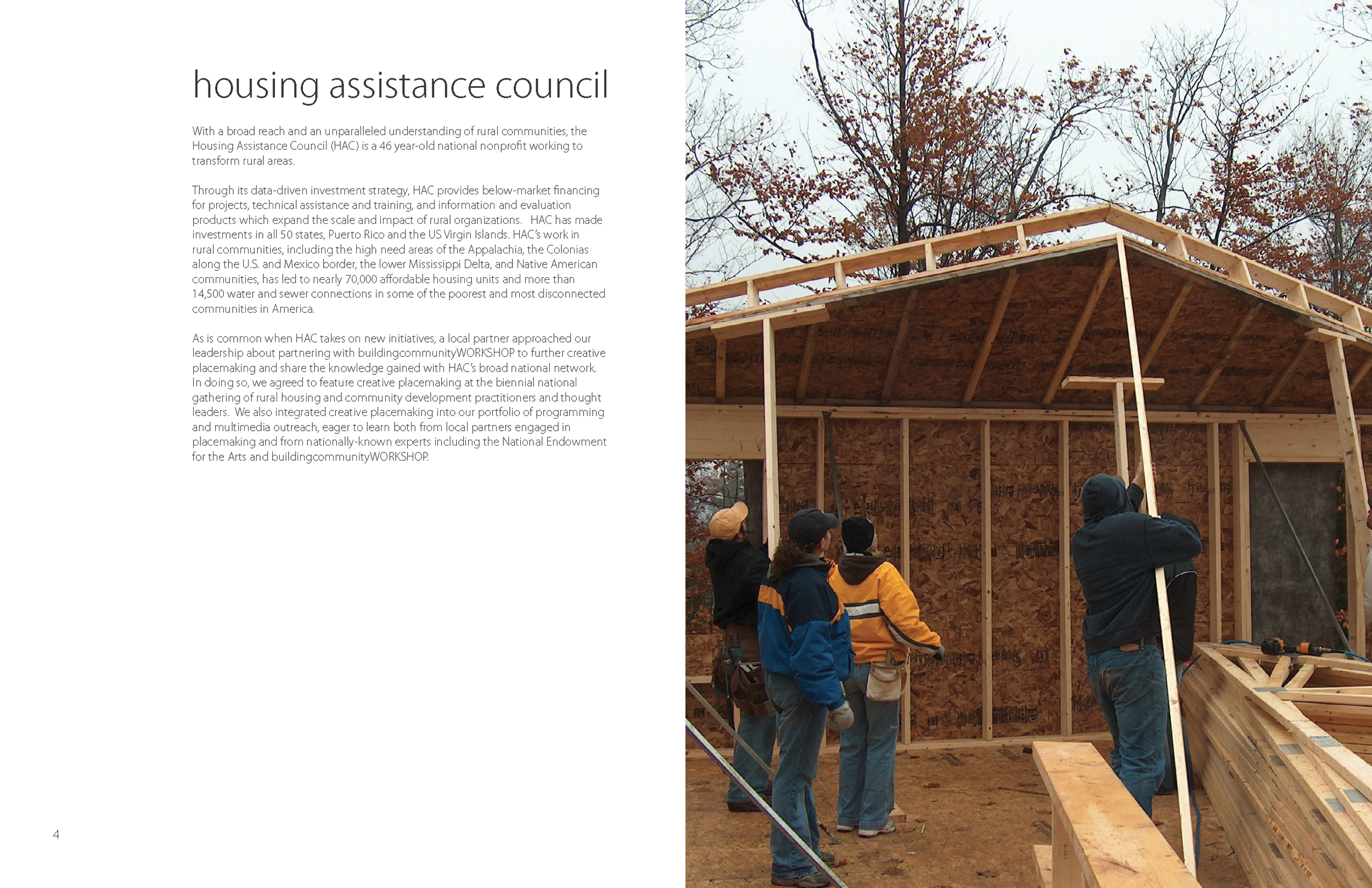
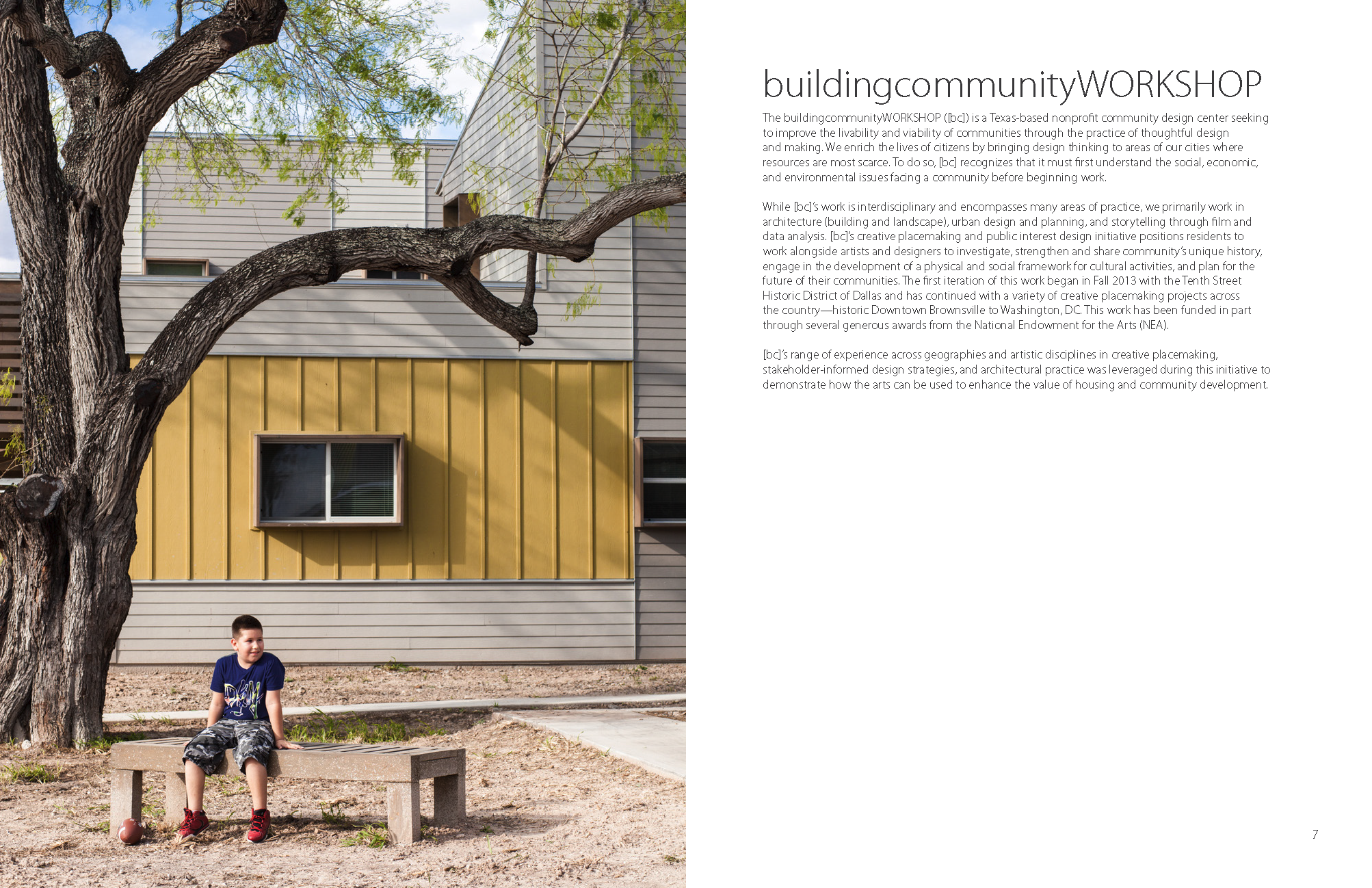
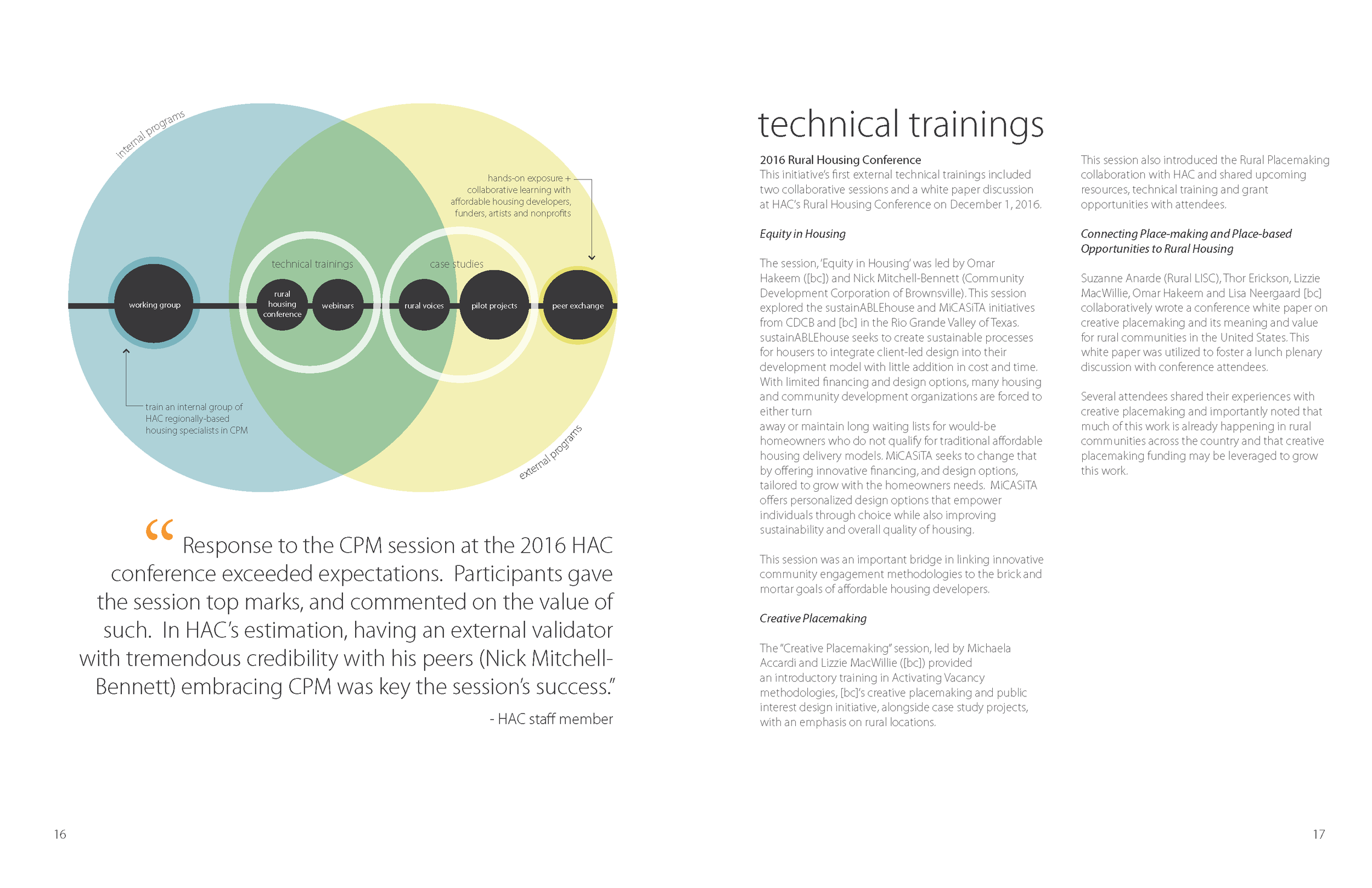
[bc] and the Housing Assistance Council (HAC) are collaborating to promote creative placemaking as an important tool in comprehensive community development and build knowledge of the practice within HAC's Rural Partner Network. Over the past year, [bc] has been working to train a core group of HAC regionally-based housing specialists in creative placemaking and share creative placemaking information and best practices across multiple platforms including technical courses, written publications, and regional trainings. [bc] is providing technical assistance to implement creative actions in two rural communities - Thomas, West Virginia and Kinston, North Carolina.
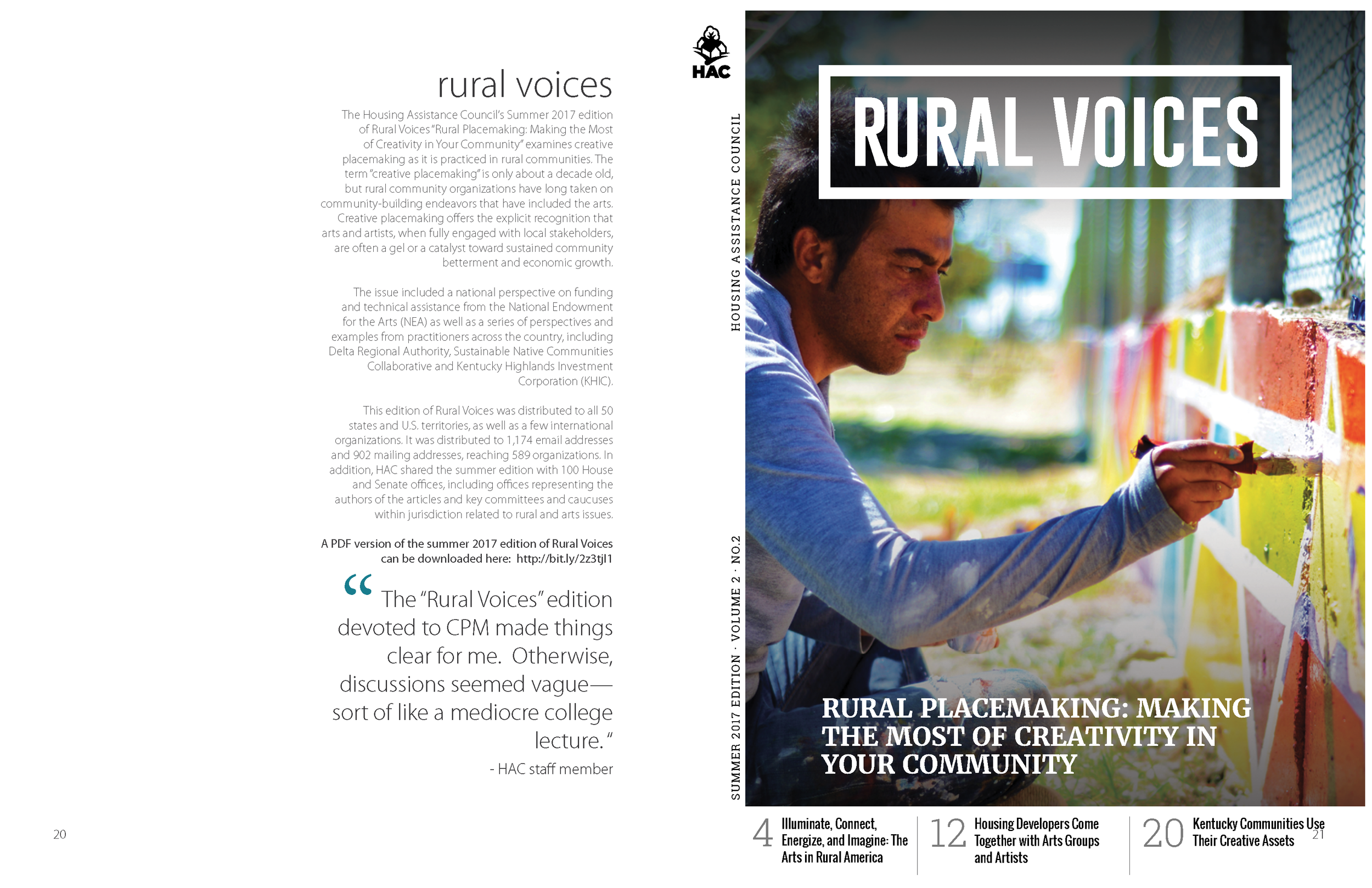
Click here to read the July 2017 issue of HAC's quarterly, award-winning magazine, Rural Voices, which examines creative placemaking as it is practiced in rural communities. Learn more about our other Activating Vacancy work here!
Rural Placemaking is funded in part by the National Endowment for the Arts through an Our Town Knowledge Building grant.
Partners:
[bc] Contributors:
Brent Brown
Thor Erickson
Omar Hakeem
Lizzie MacWillie
Christina Houle
Michaela Accardi


UPDATES
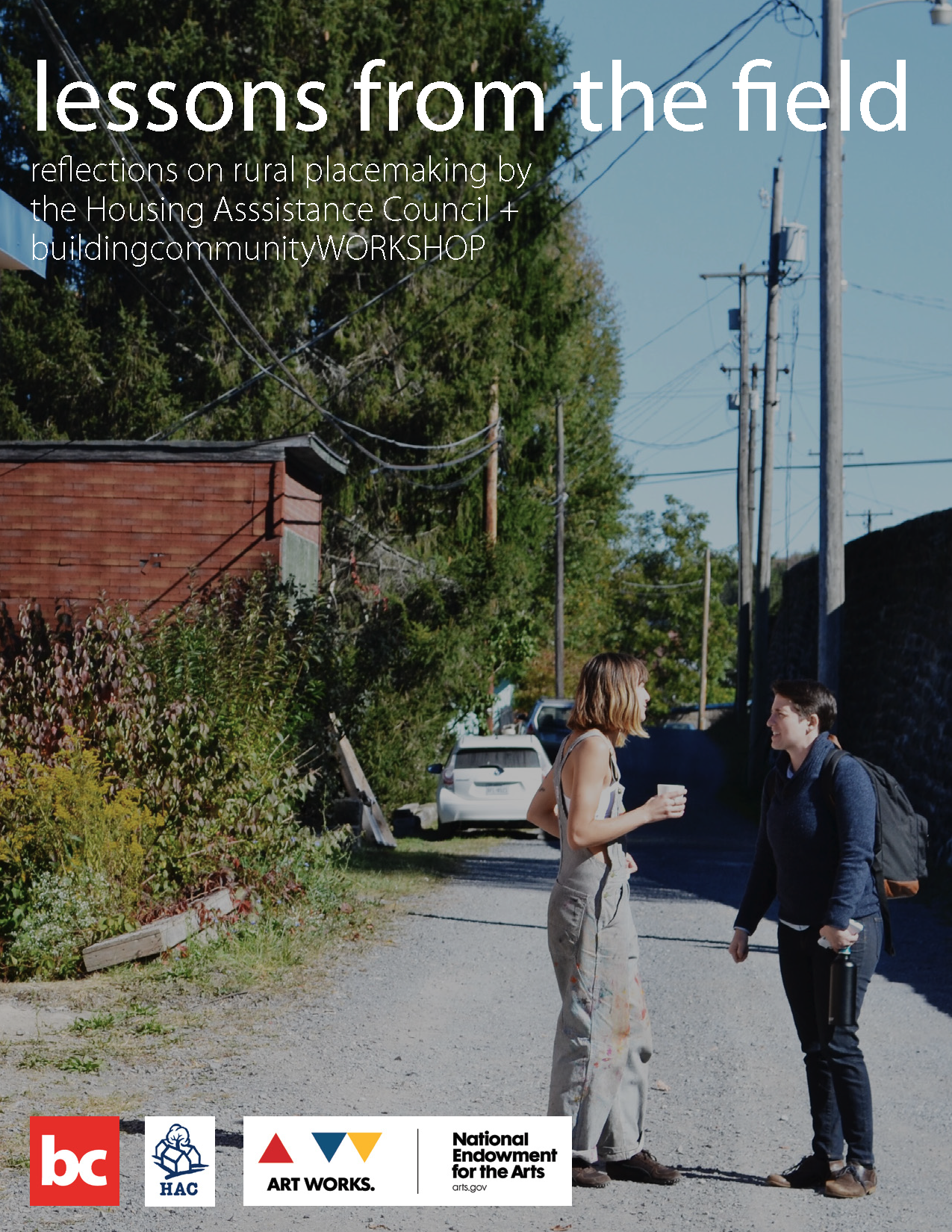
Lessons from the Field: Reflections on Rural Placemaking
December 6, 2017
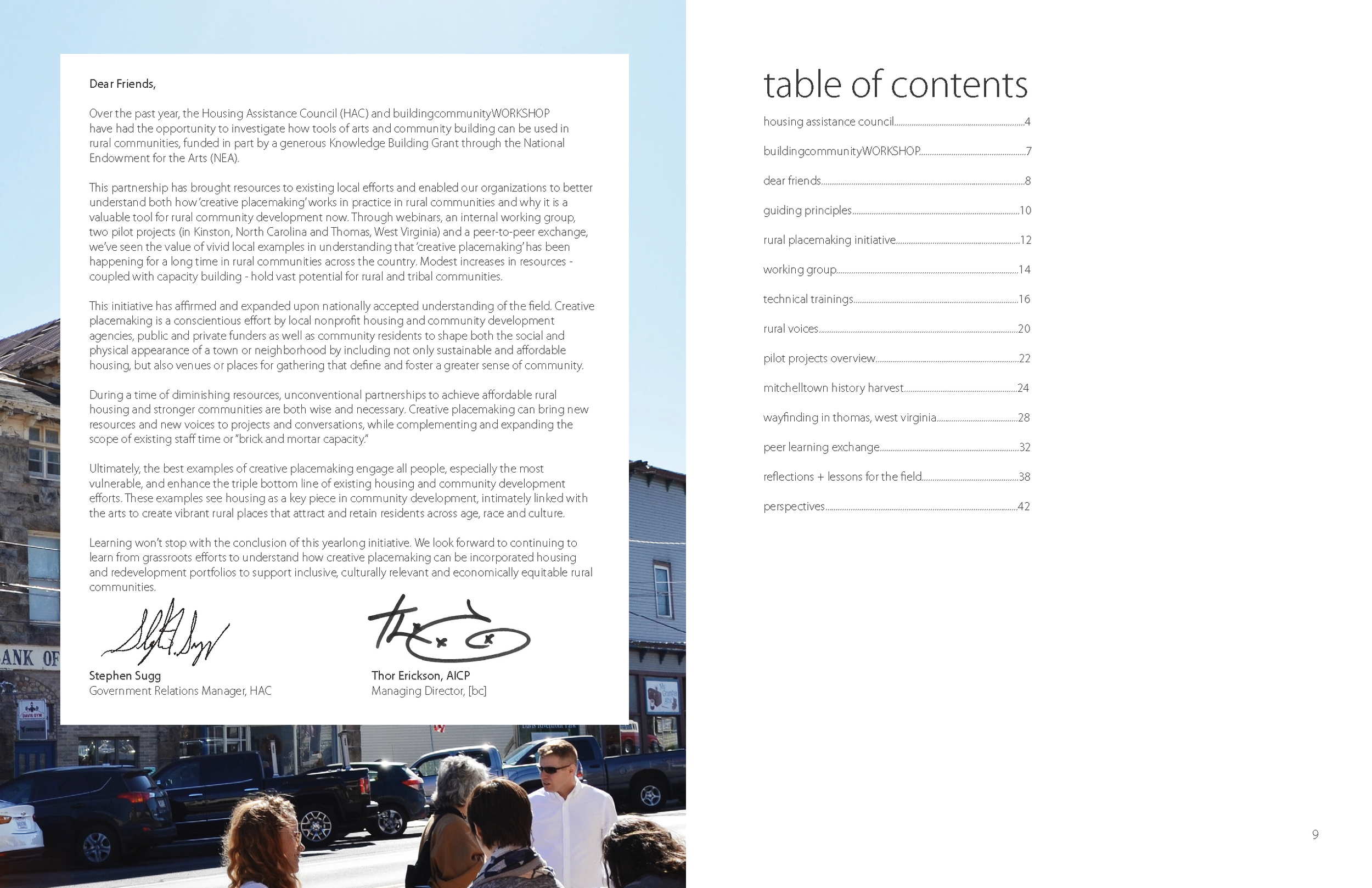
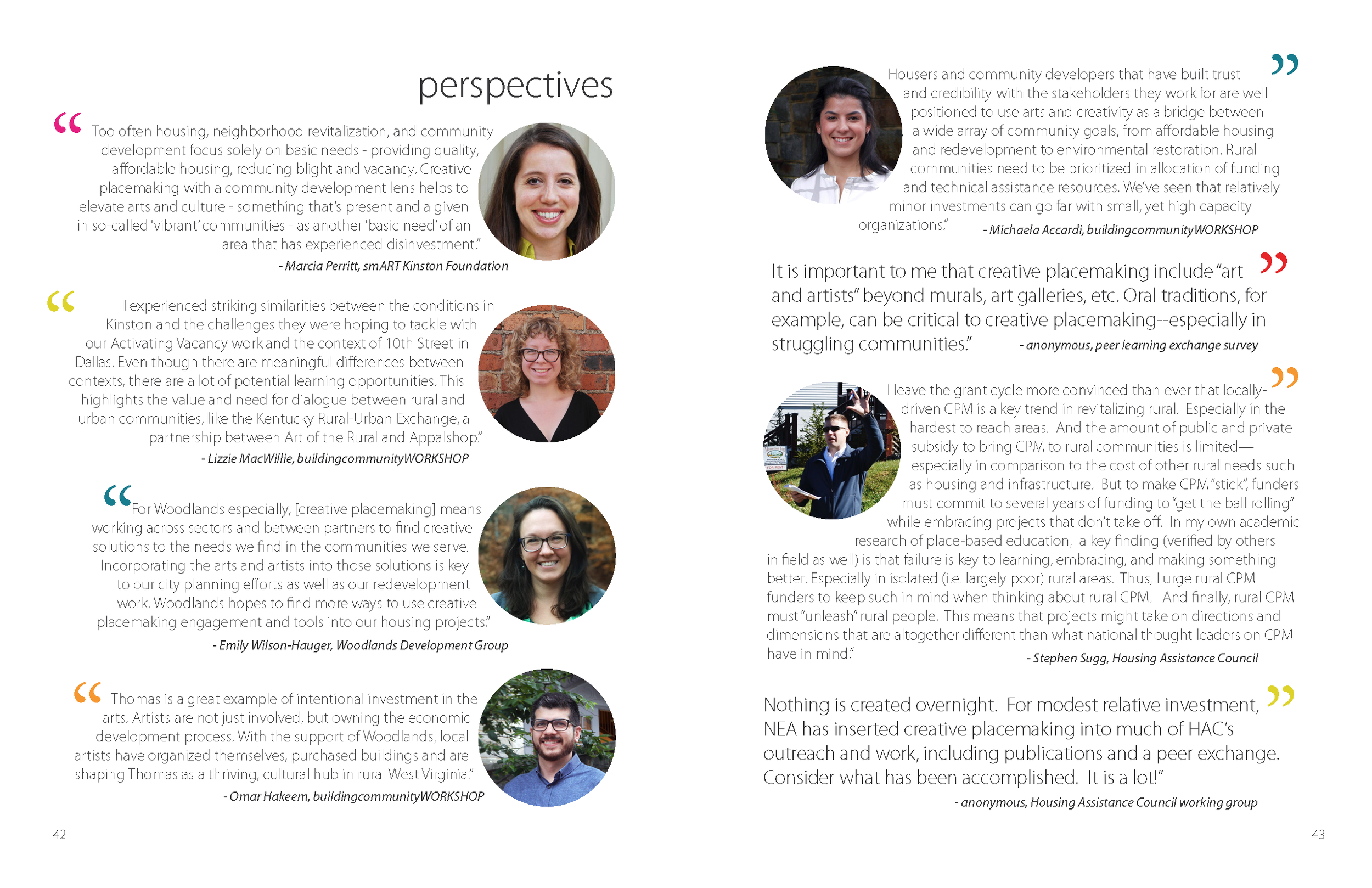
Over the past year, [bc] and the Housing Assistance Council (HAC) have had the opportunity to investigate how tools of arts and community building can be used in rural communities, funded in part by a generous Knowledge Building Grant through the National Endowment for the Arts (NEA).
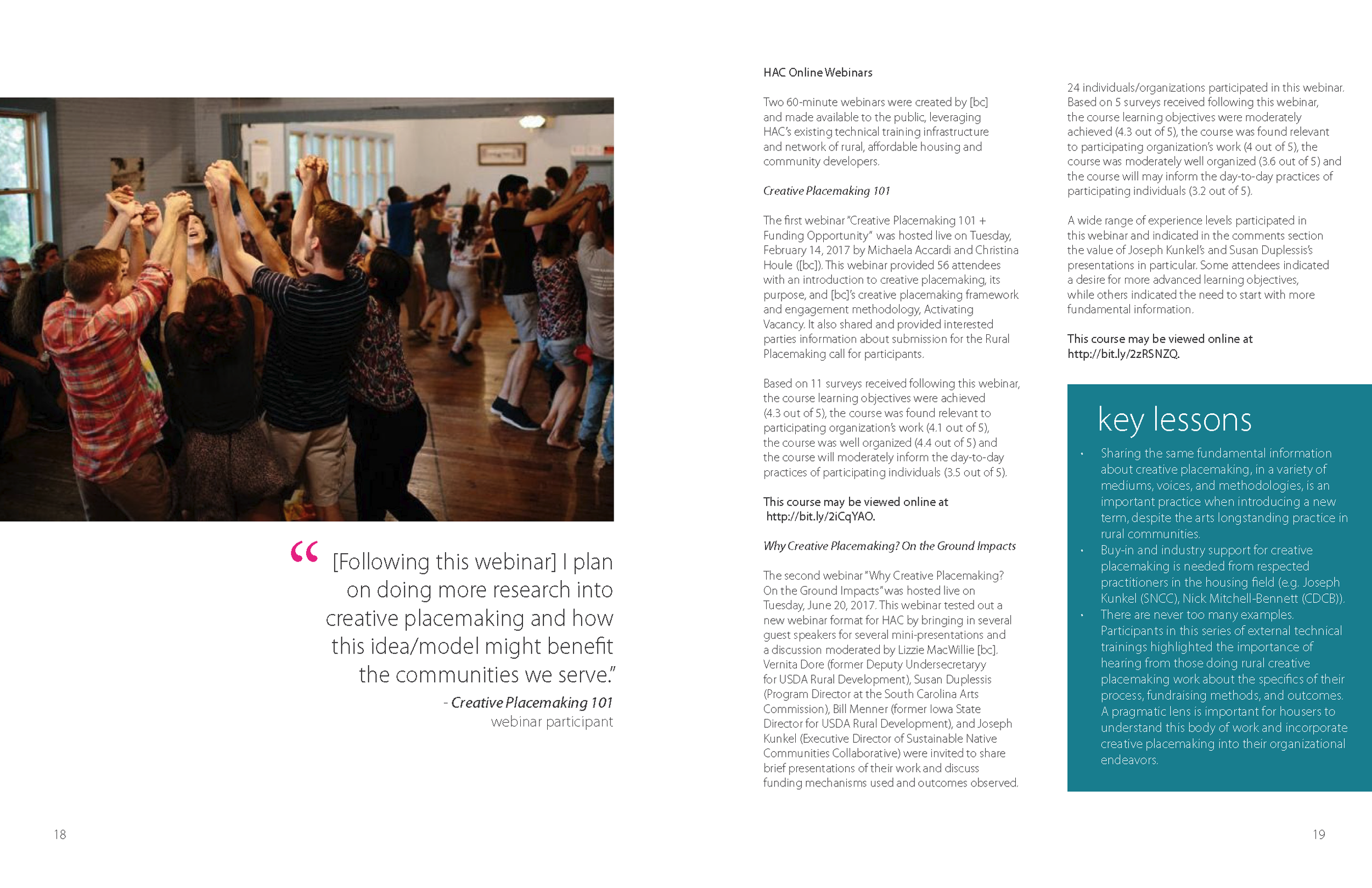
This partnership has brought resources to existing local efforts and enabled our organizations to better understand how ‘creative placemaking’ works in practice in rural communities and why it is a valuable tool for rural community development now. Through webinars, an internal working group, two pilot projects (in Kinston, North Carolina and Thomas, West Virginia) and a peer-to-peer exchange, we’ve seen the value of vivid local examples in understanding that ‘creative placemaking’ has been happening for a long time in rural communities across the country. Modest increases in resources coupled with capacity building hold vast potential for rural and tribal communities.
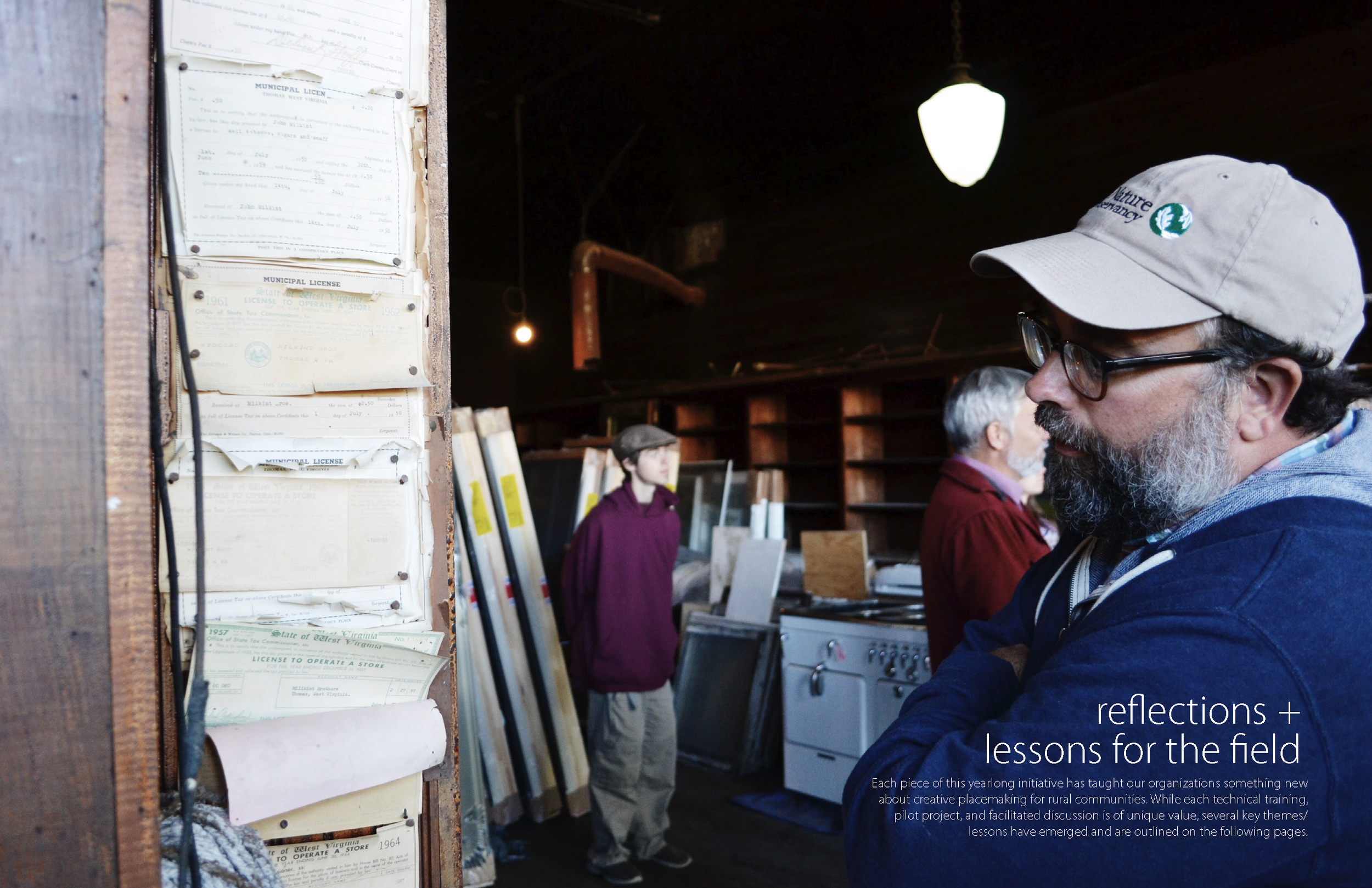
We've published a report, Lessons from the Field: Reflections on Rural Placemaking describing our yearlong initiative and reflecting on the last year of our work, outlining key outcomes and lessons learned valuable to the larger practice of rural creative placemaking. Read the full report here.
Several resources were developed during this partnership to expand knowledge and practice of rural creative placemaking, including:
This project is supported in part by an award from the National Endowment for the Arts. To find out more about how National Endowment for the Arts grants impact individuals and communities, visit www.arts.gov.
Rural Placemaking Peer Exchange in Thomas, WV
October 16, 2017
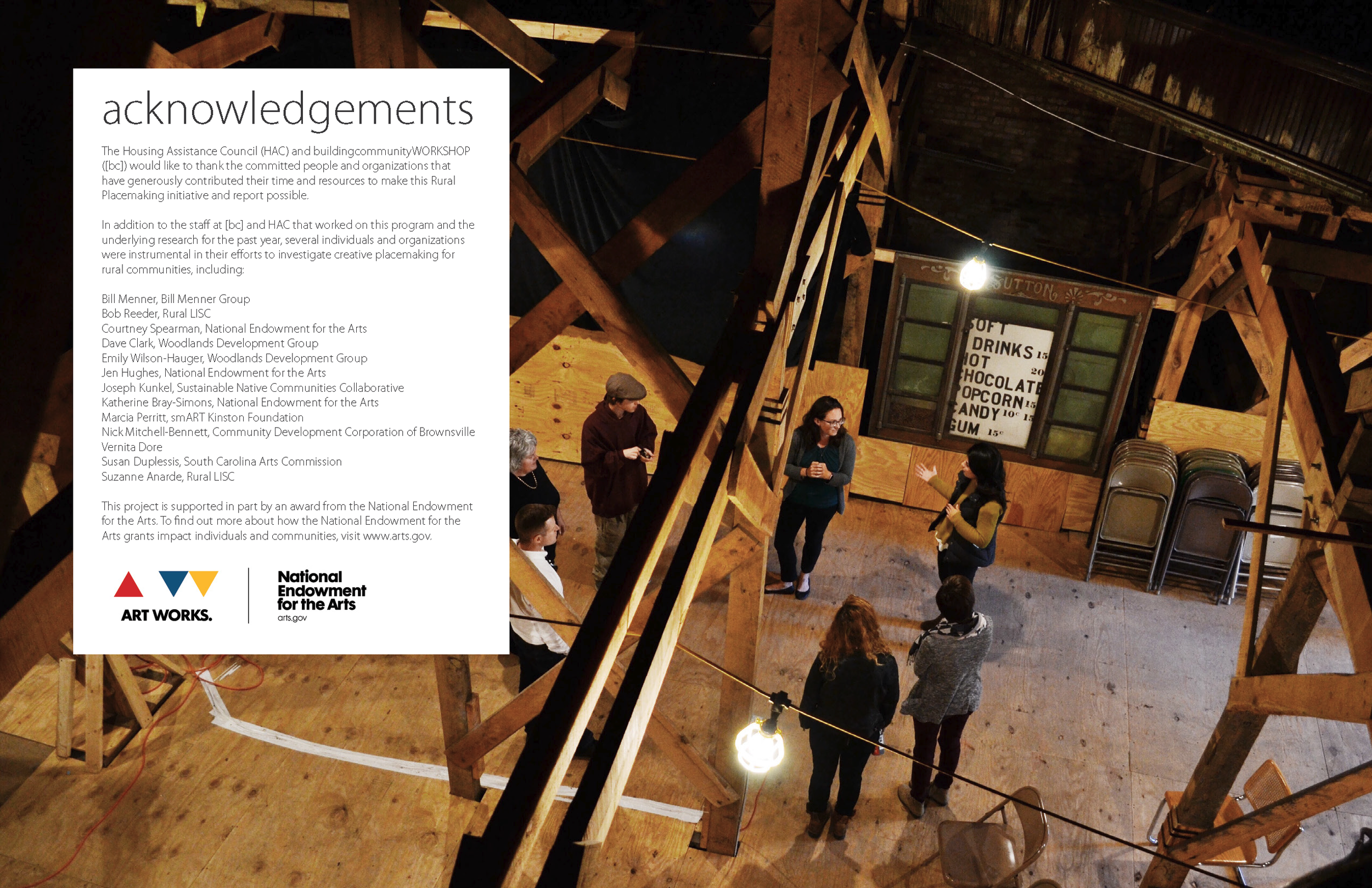
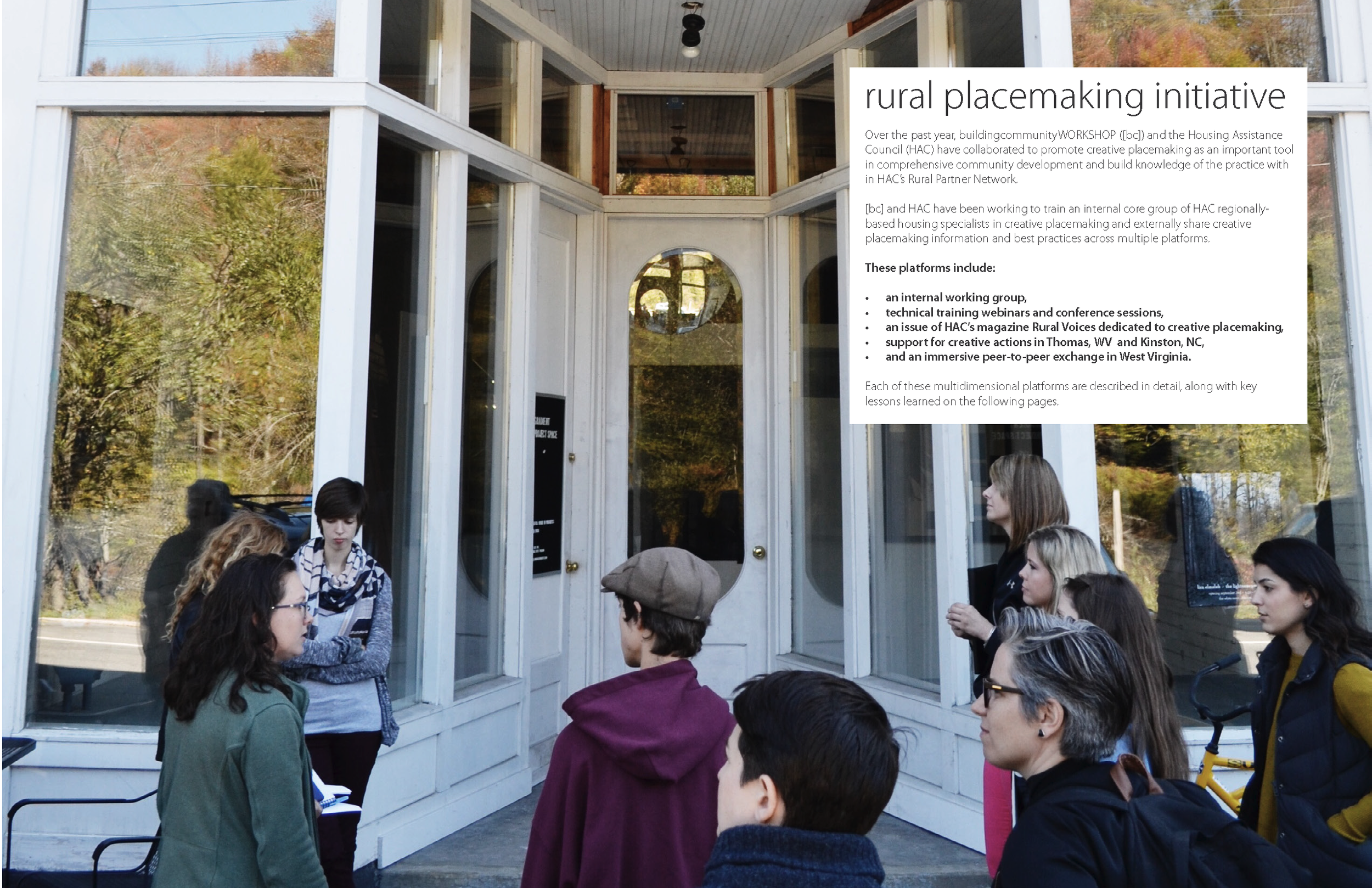
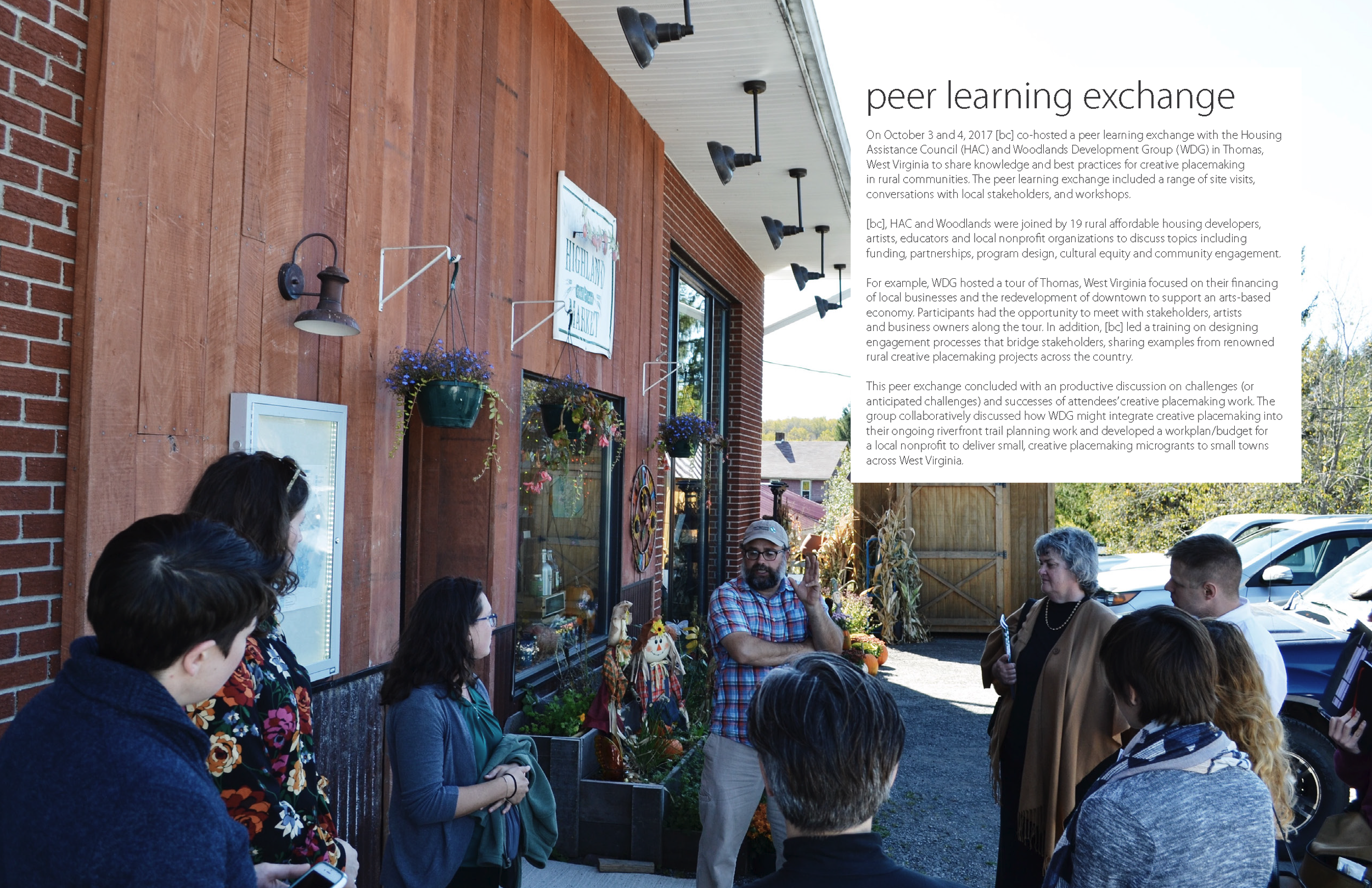
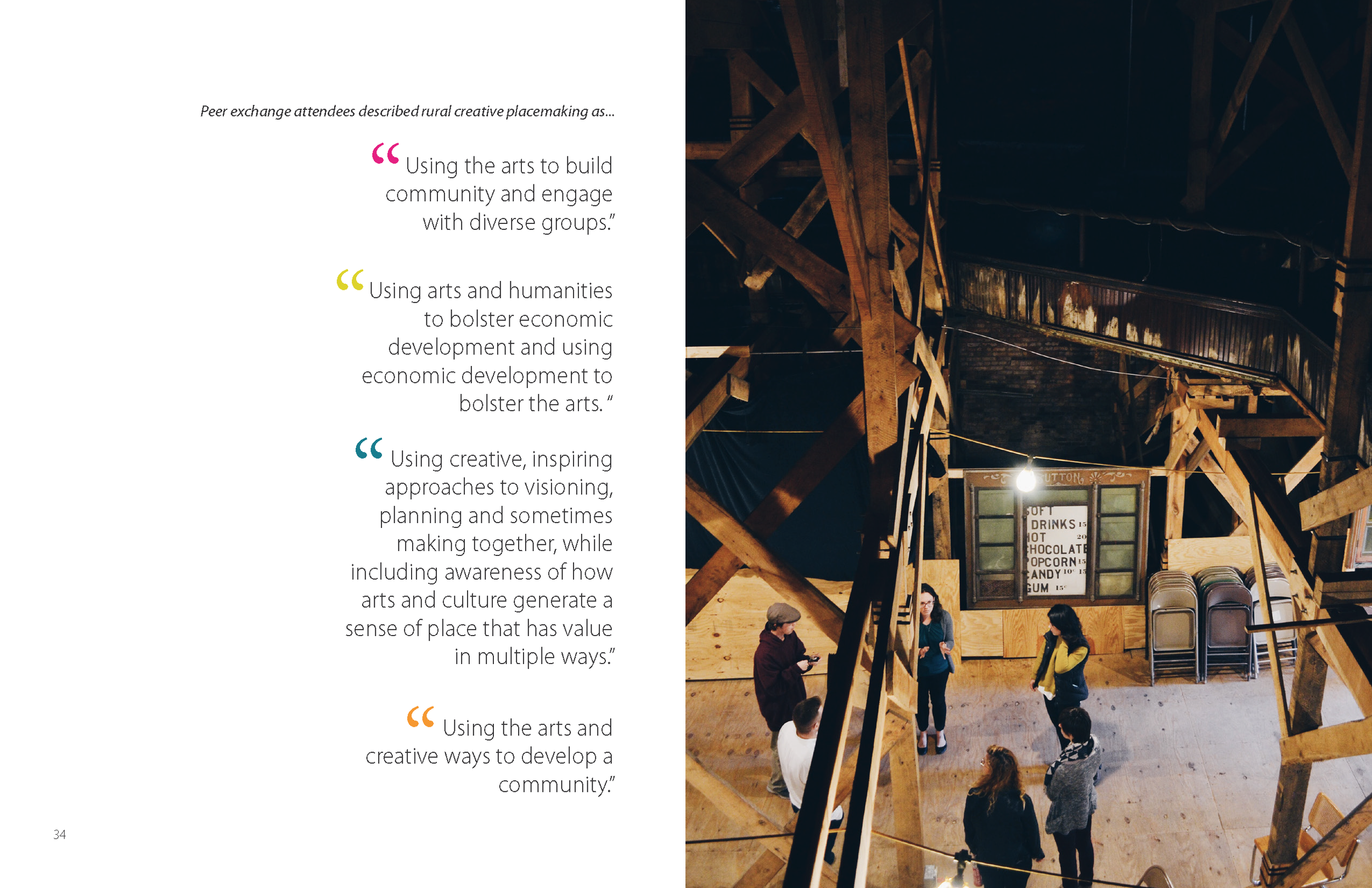
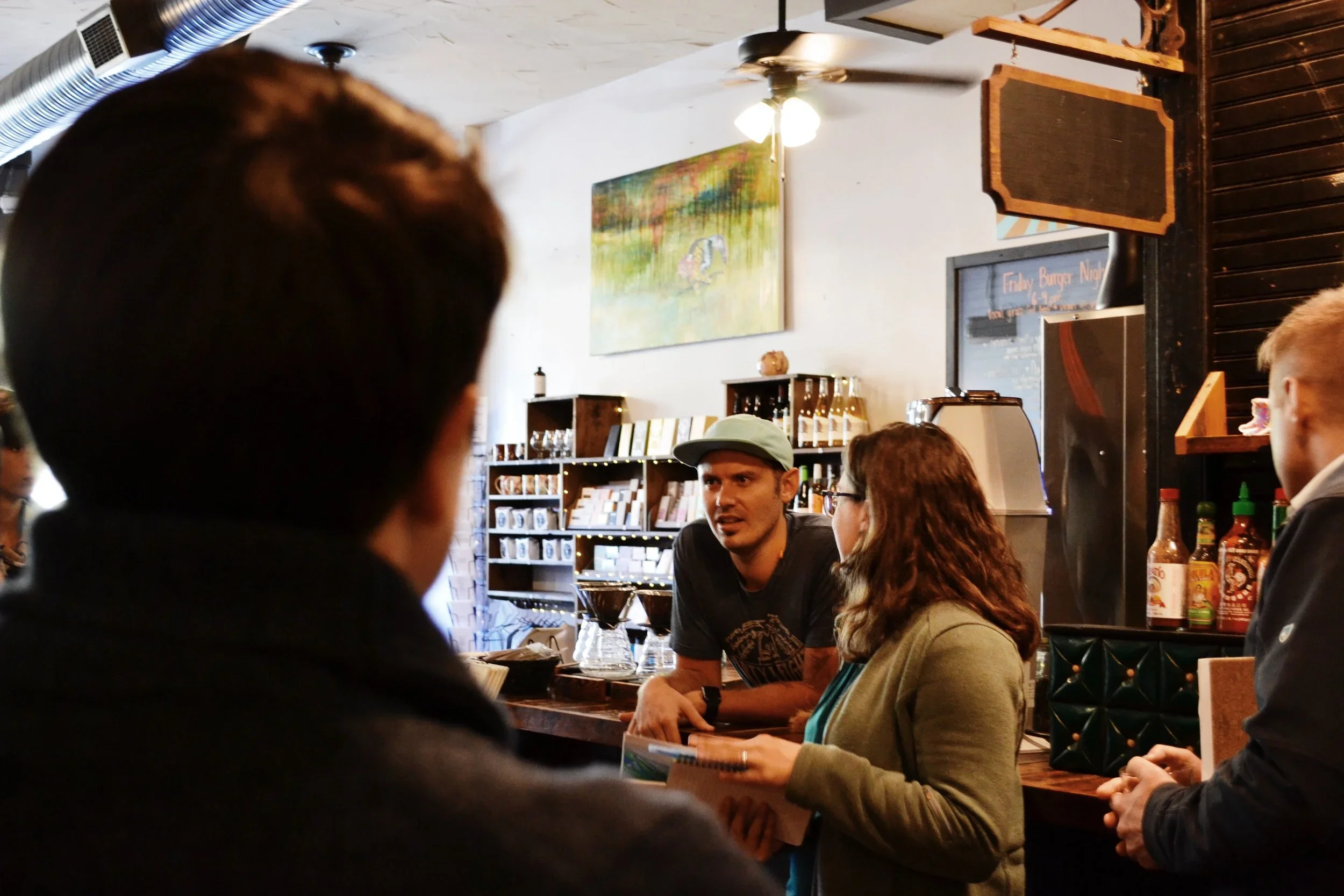
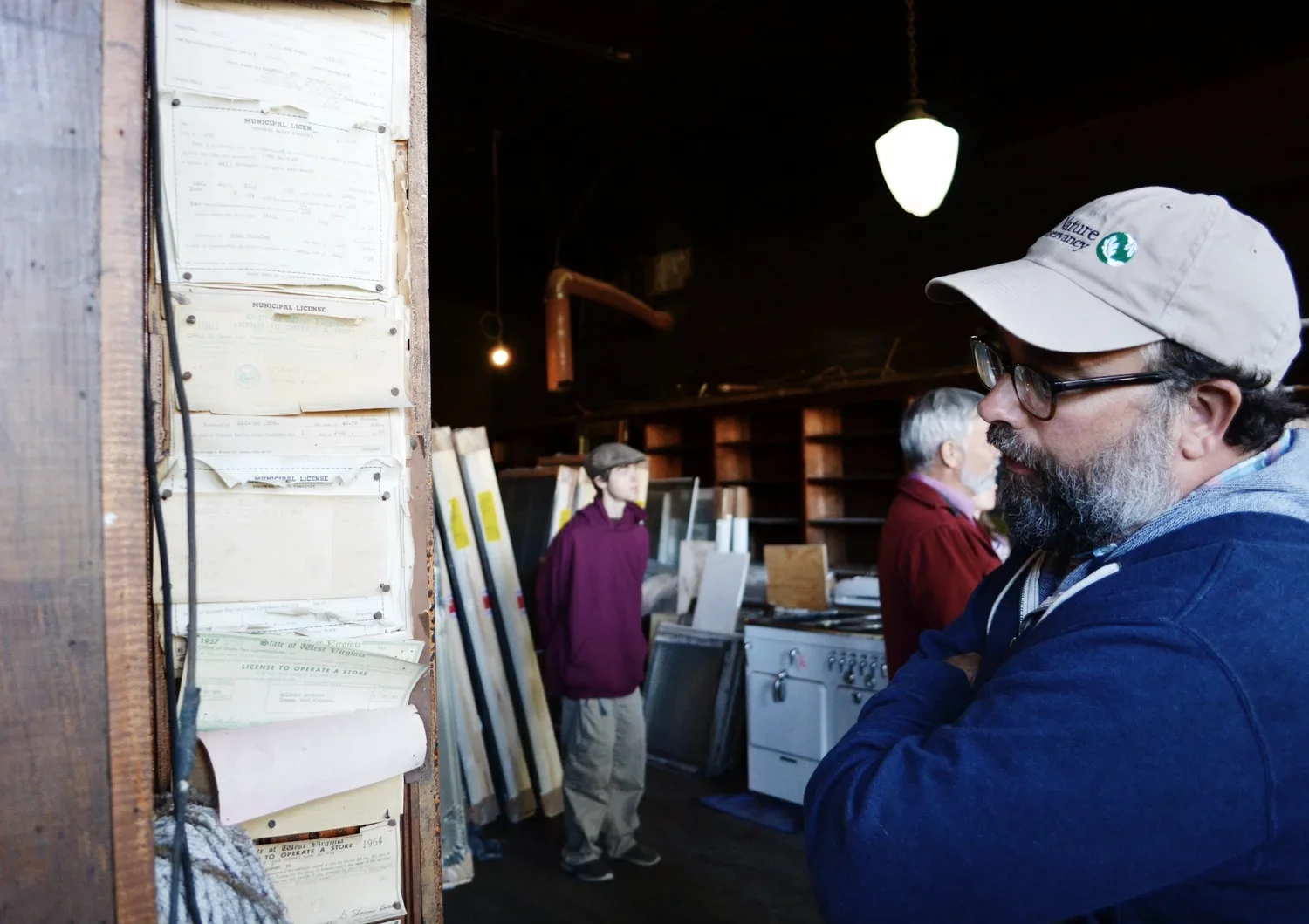
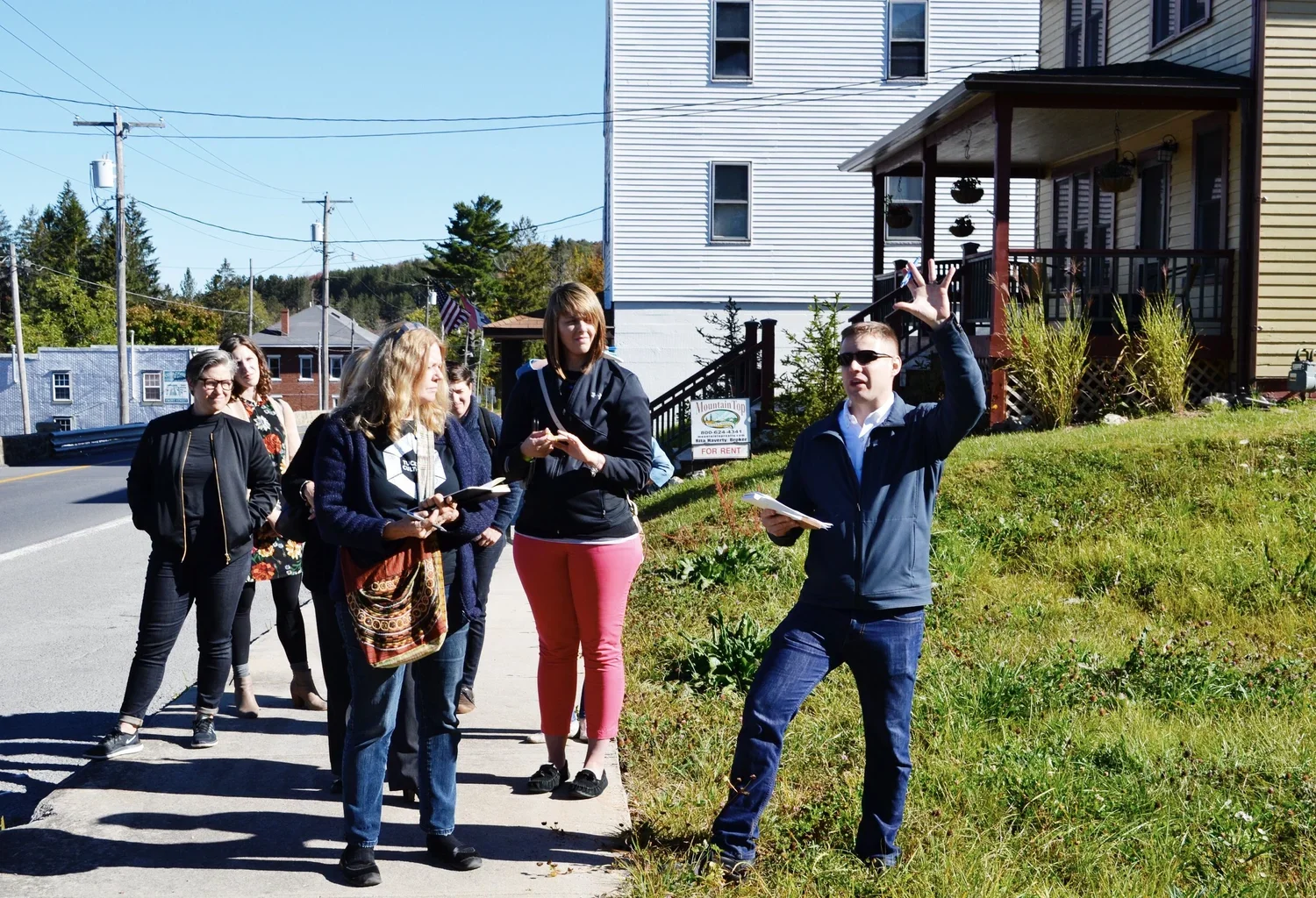
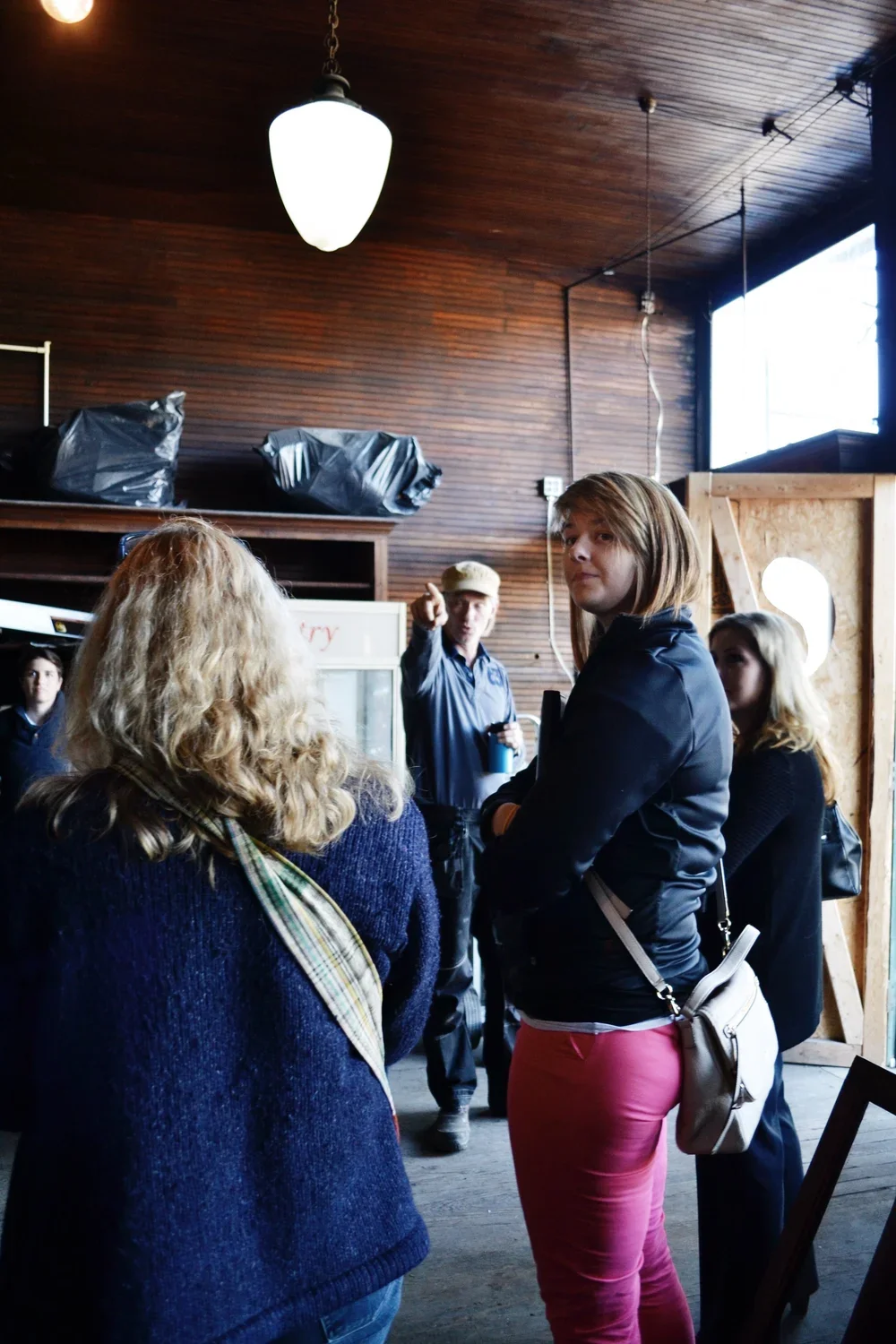
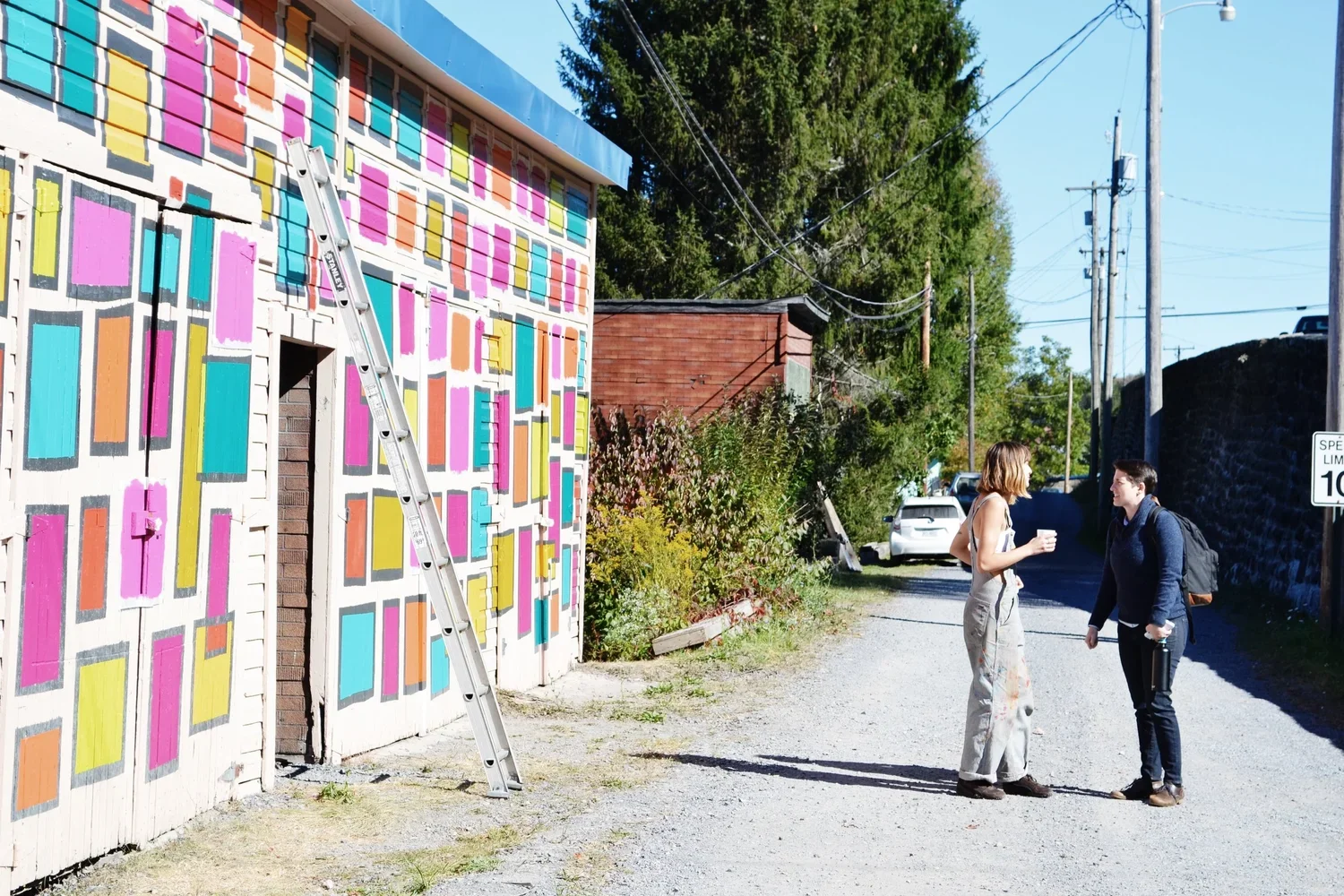
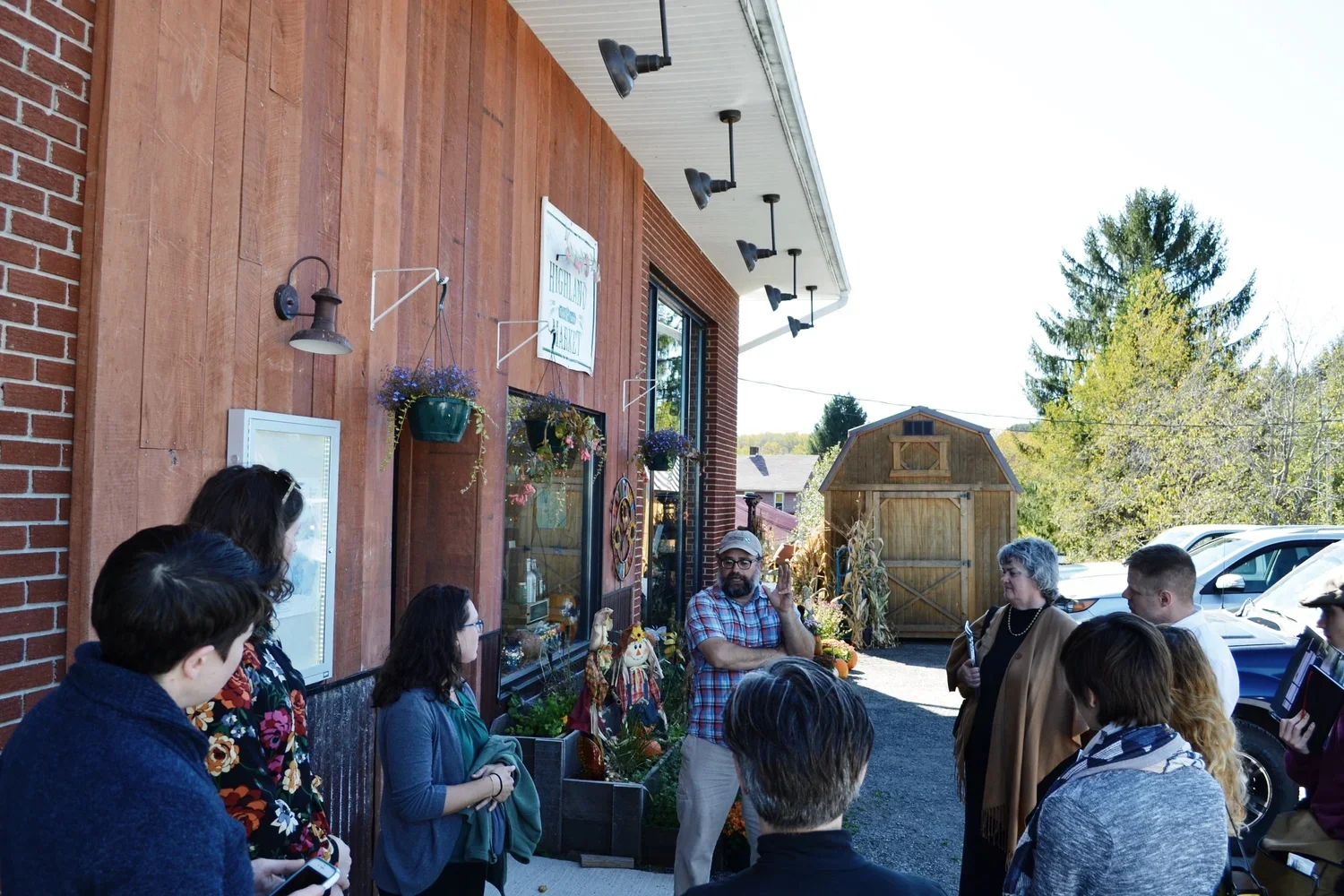
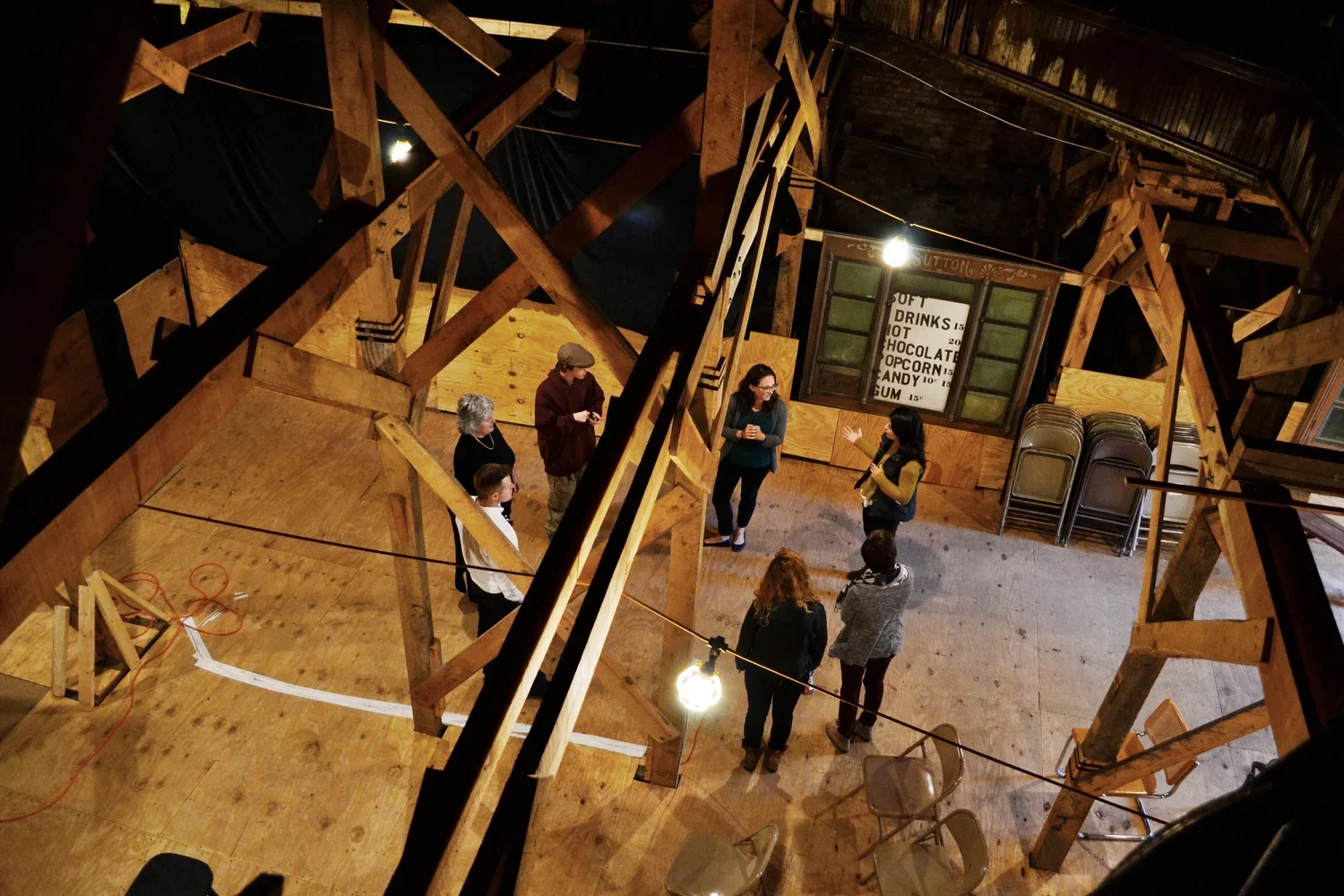
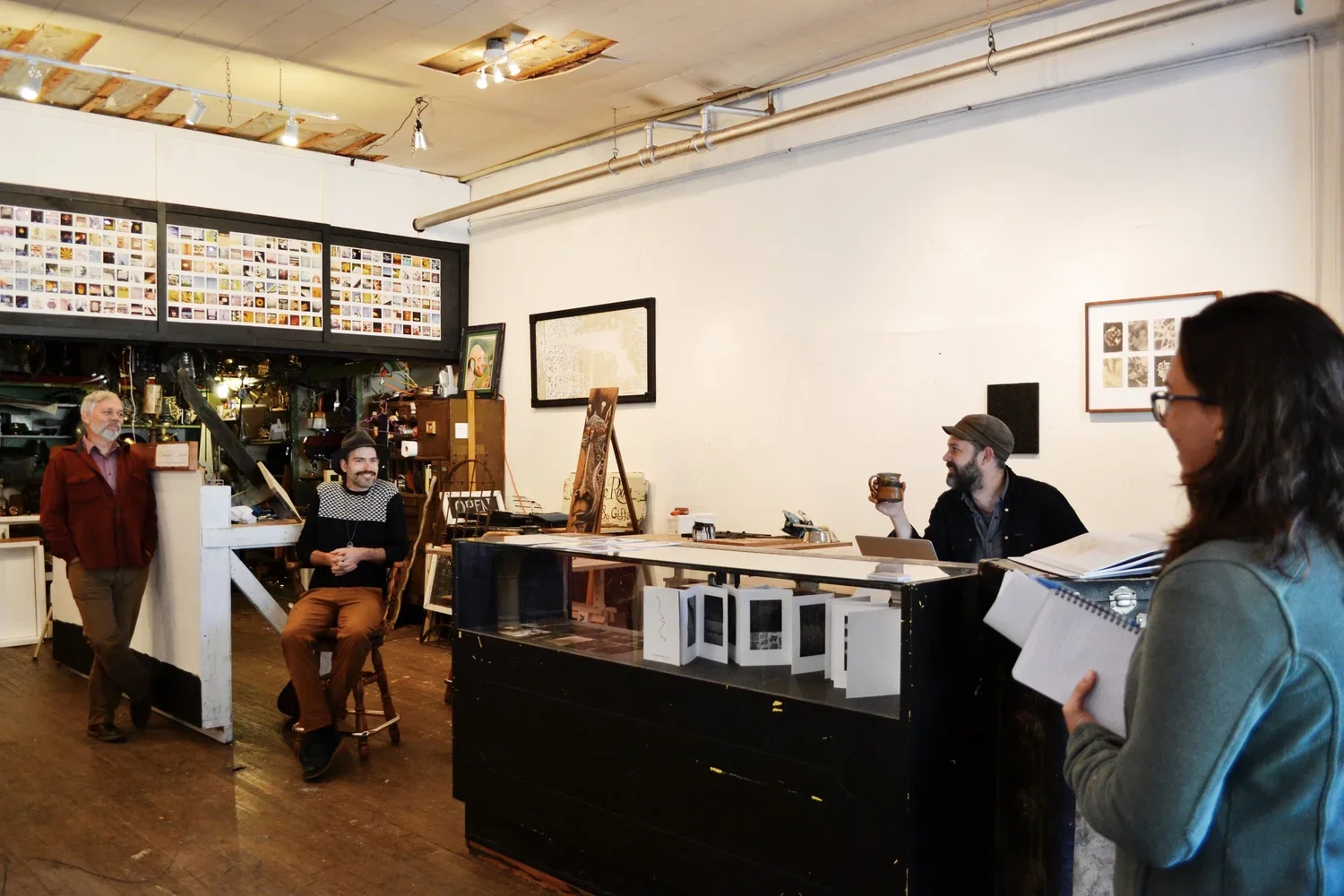
On October 3rd and 4th, [bc] co-hosted a peer learning exchange with the Housing Assistance Council and Woodlands Development Group in Thomas, West Virginia to share knowledge and best practices for creative placemaking in rural communities. The peer learning exchange included a range of site visits, conversations with local stakeholders, and workshops.
[bc], HAC and Woodlands were joined by rural affordable housing developers, artists, educators and local nonprofit organizations to discuss topics including funding, partnerships, program design, cultural equity and community engagement.
This project is supported in part by an award from the National Endowment for the Arts. To find out more about how National Endowment for the Arts grants impact individuals and communities, visit www.arts.gov.

Rural Placemaking Participant Selection
April 7, 2017
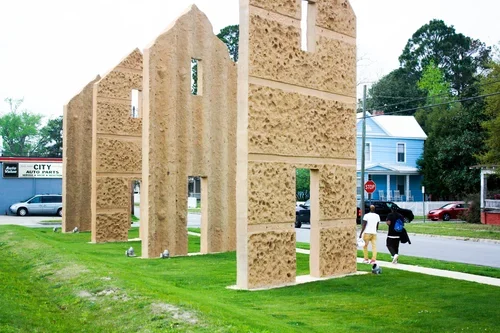
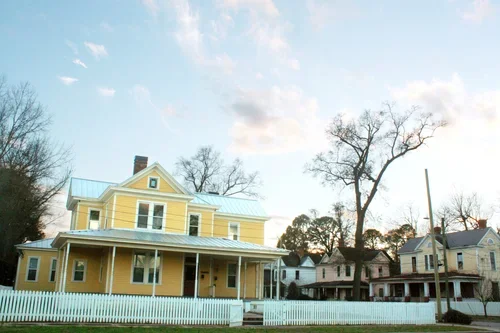
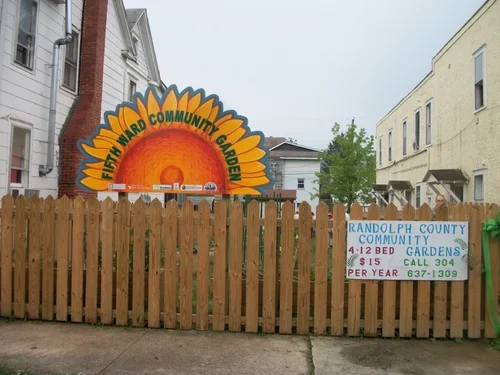
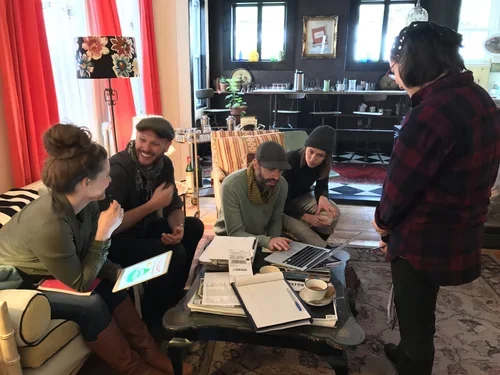
[bc] and the Housing Assistance Council (HAC) are pleased to announce the selection of two organizations for our Rural Placemaking Program, supported by a Knowledge Building Grant from the National Endowment for the Arts (NEA). The smART Kinston City Project Foundation in Kinston, North Carolina and Woodlands Development Group in Elkins, West Virginia will be implementing rural creative placemaking initiatives during summer 2017 as a part of this program.
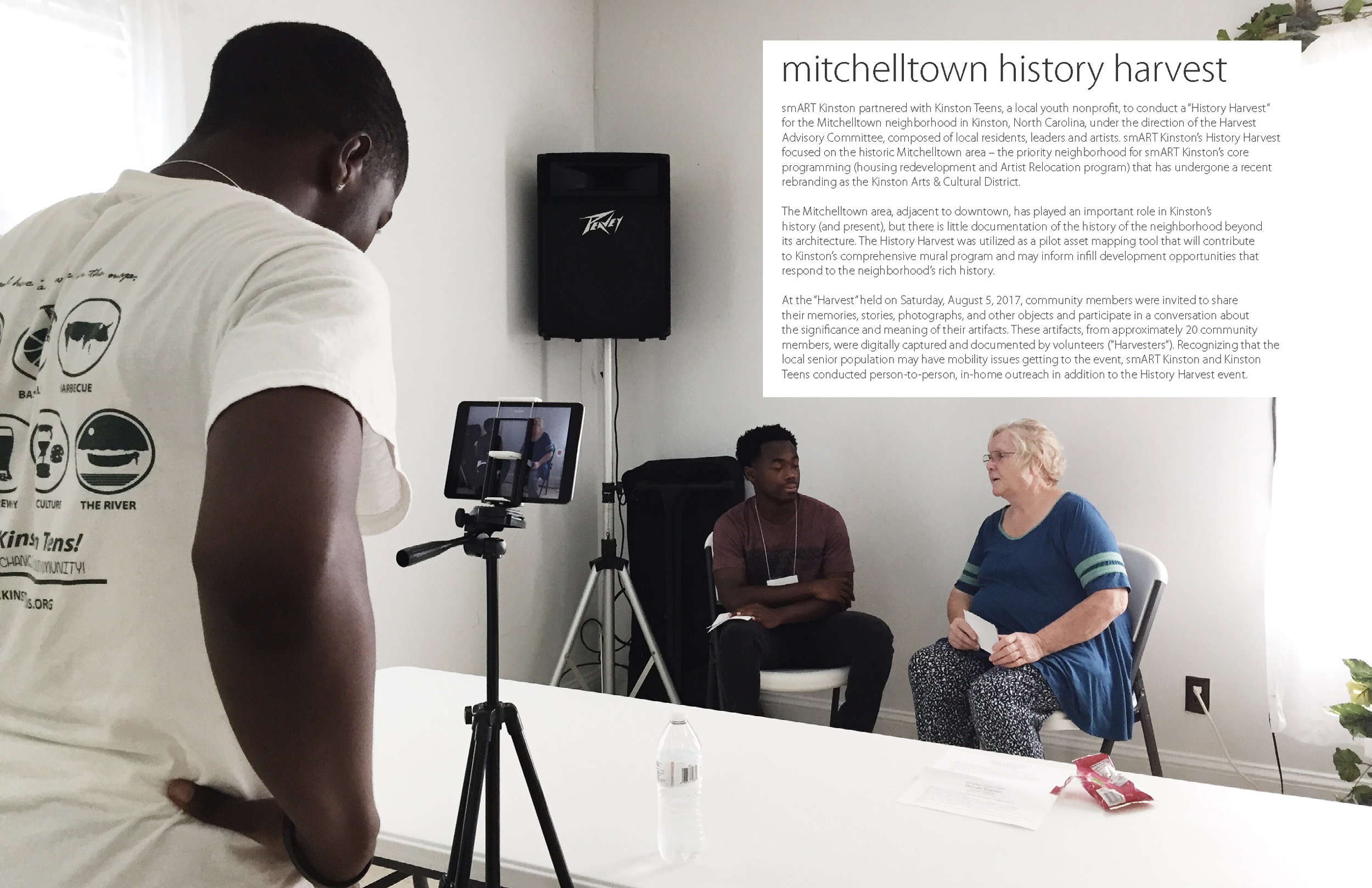
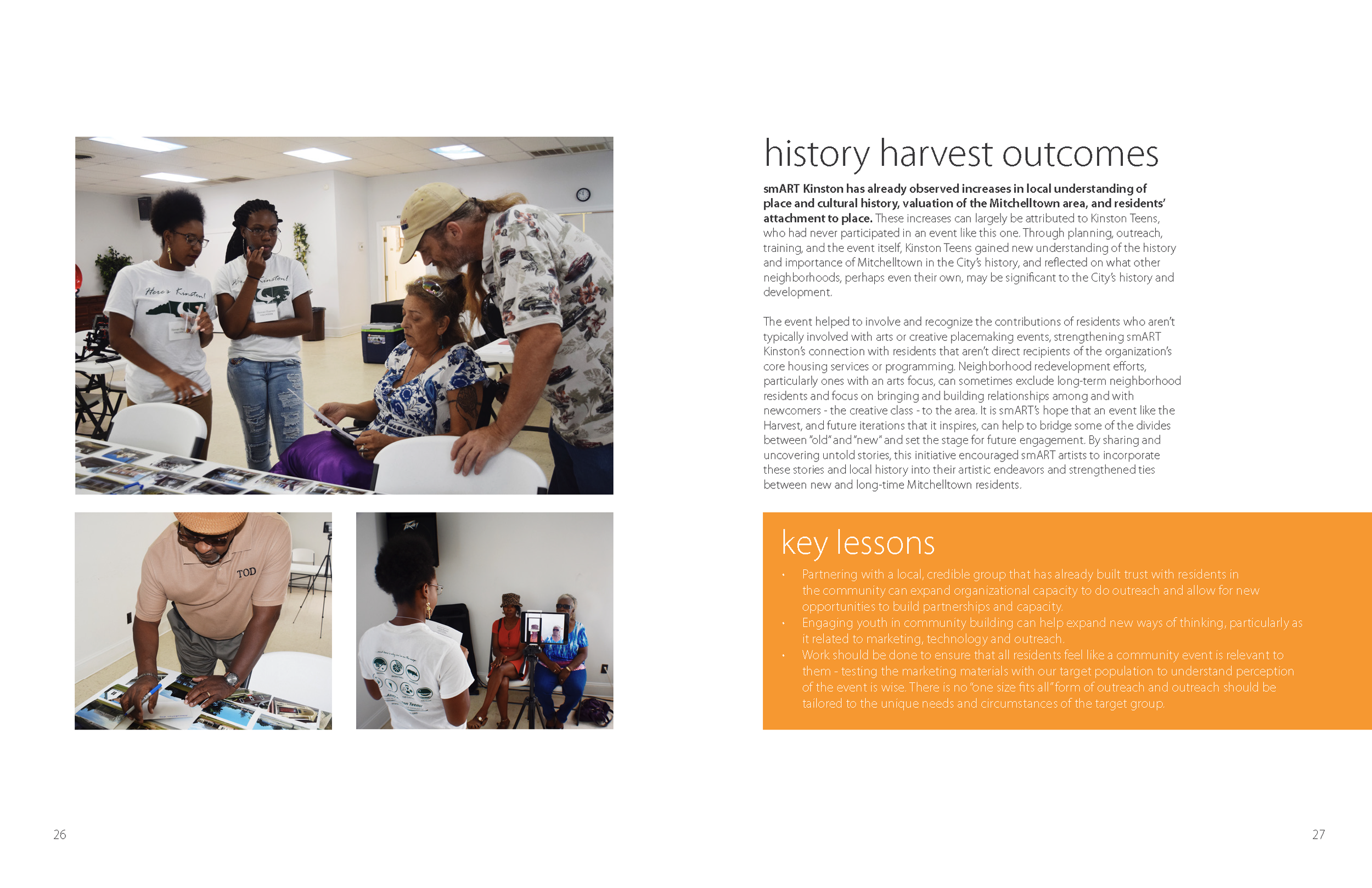
The smART Kinston City Project Foundation has been working to foster the development of an arts-driven and asset-based economy by cultivating an Arts and Cultural District in Downtown Kinston for the last two years. smART Kinston focuses their initiatives on connecting individuals and communities, using art as a tool to address local infrastructure and regional economic challenges. Their pilot project will partner artists with local stakeholders to develop a creative placemaking project that addresses racial tensions and economic inequity in this city of 21,000.
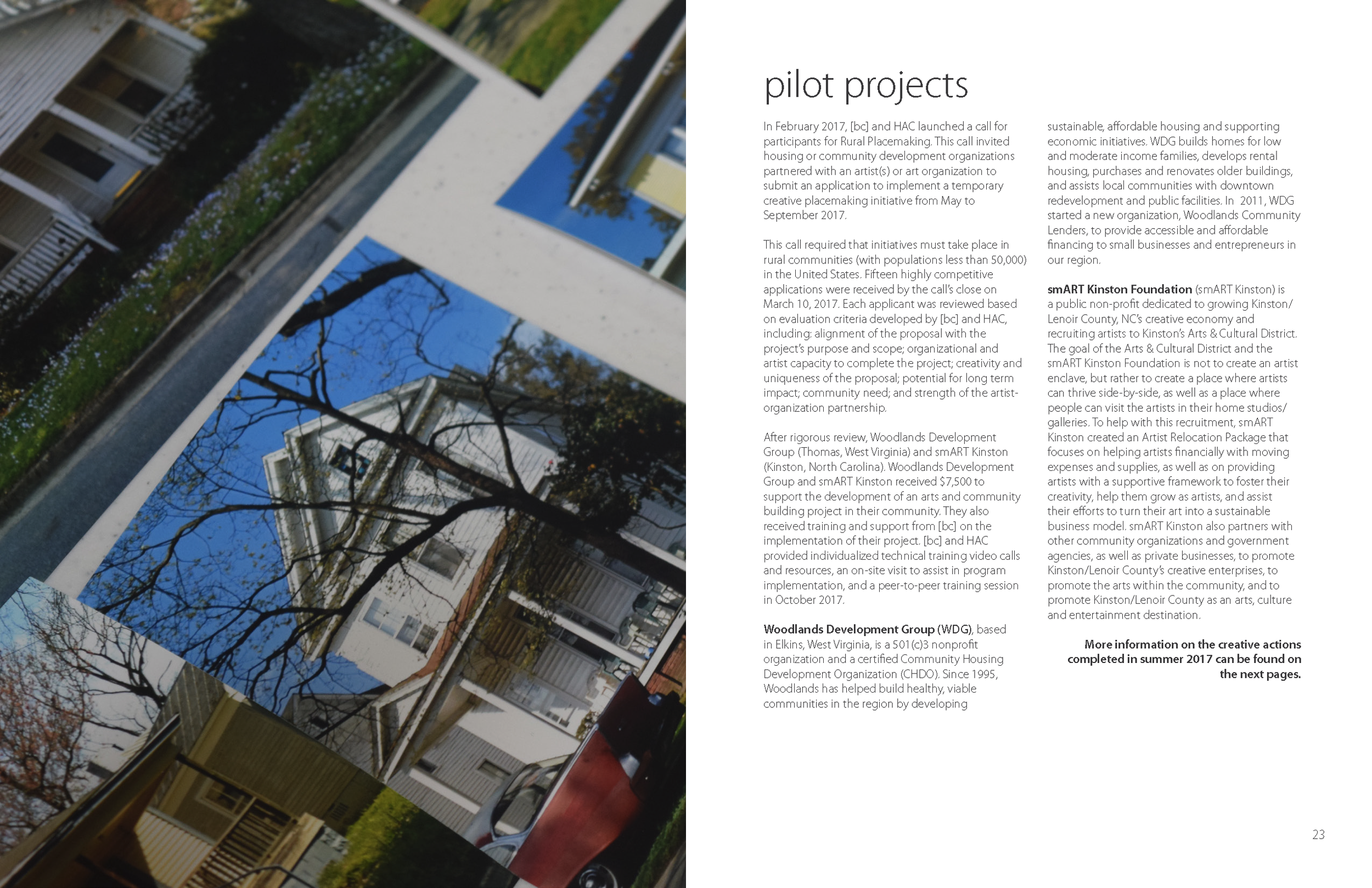
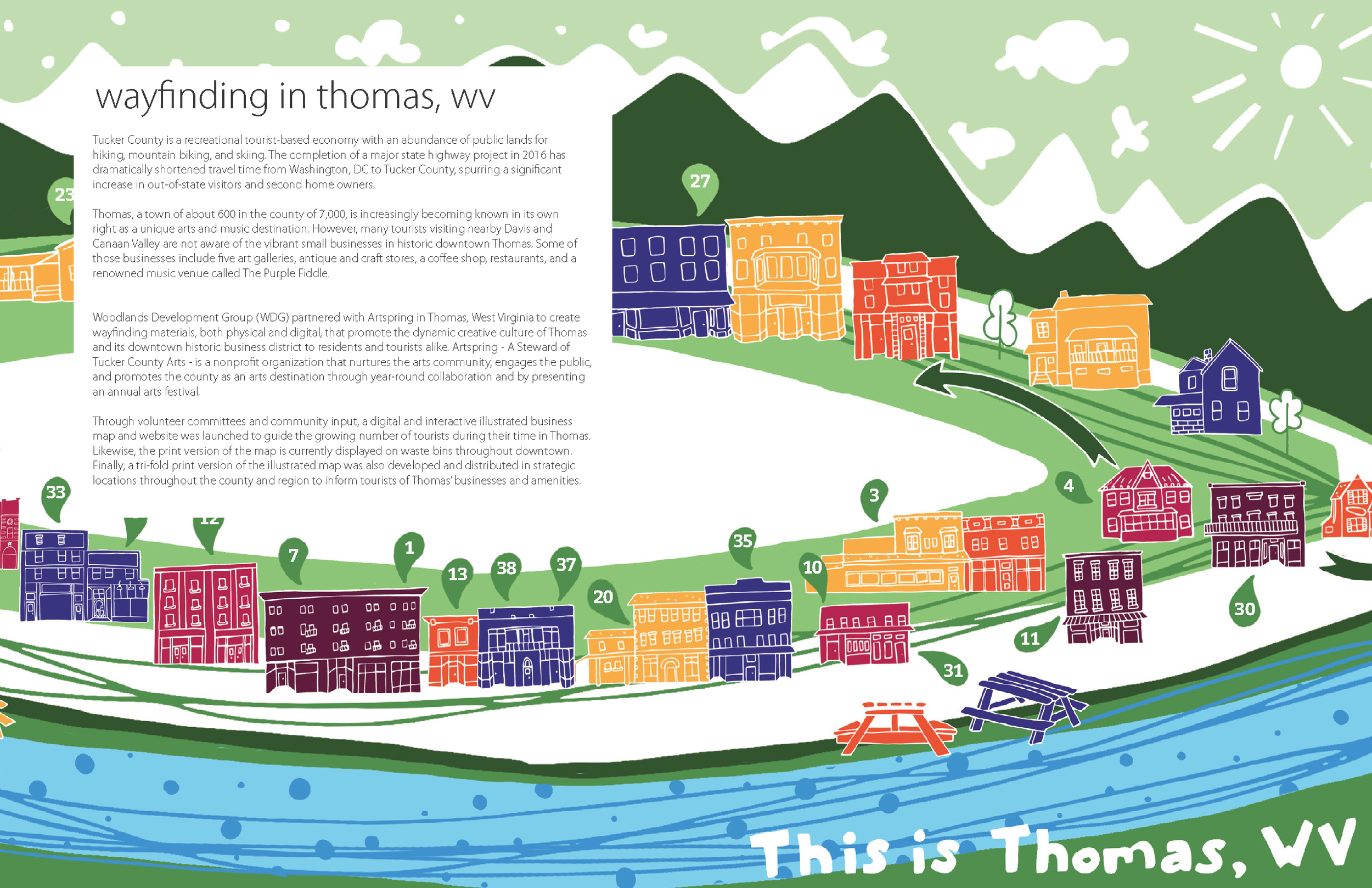
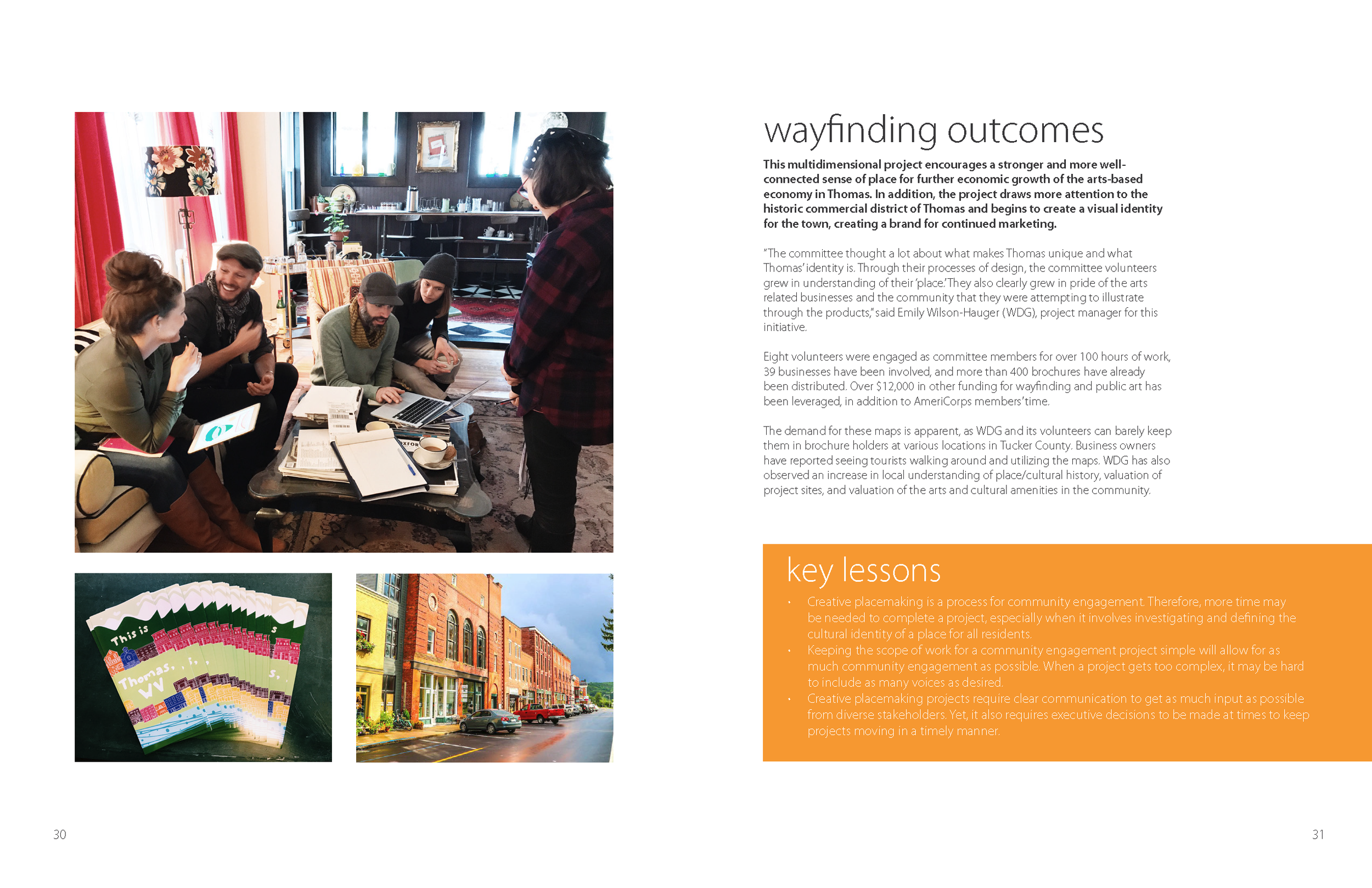
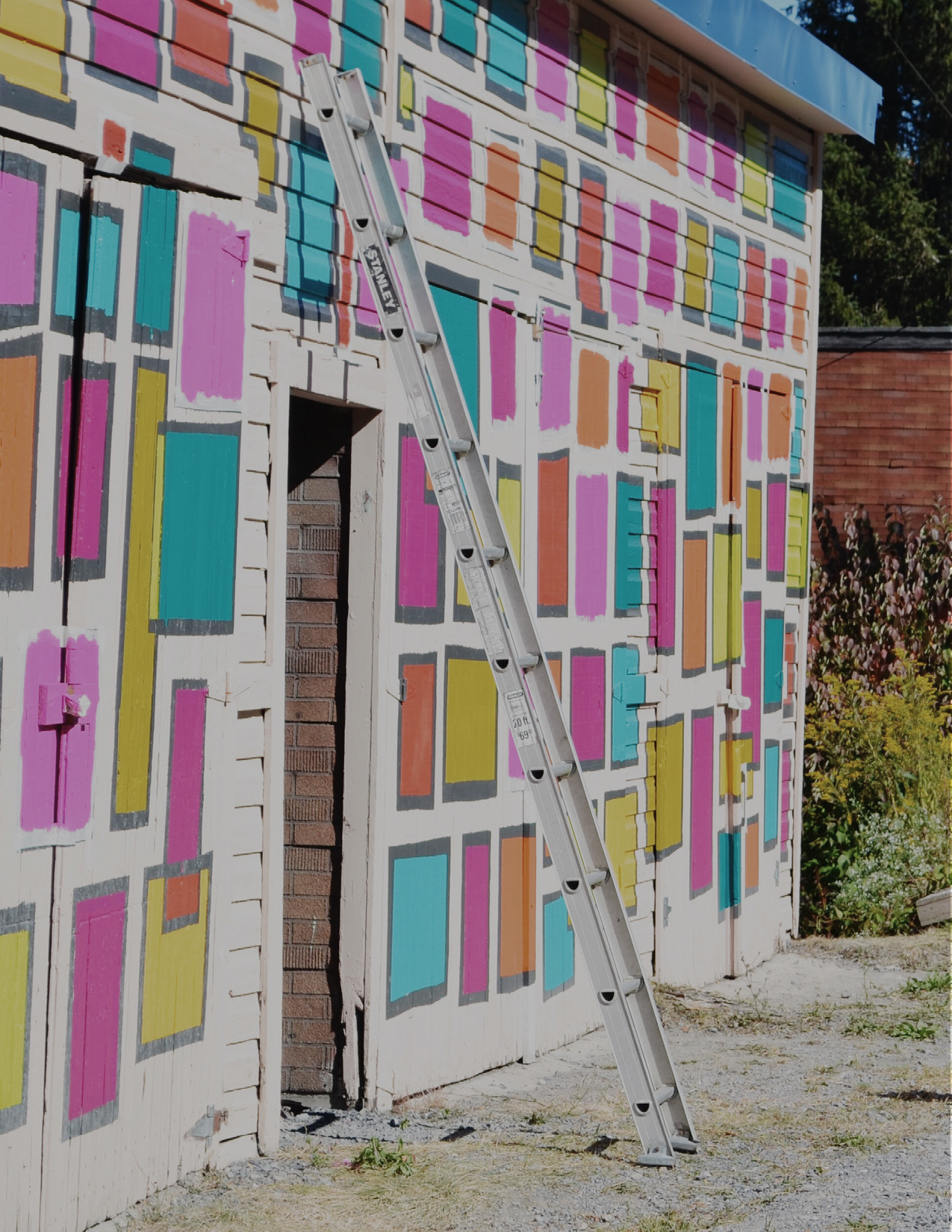
Woodlands Development Group is a certified Community Housing Development Organization that has been working in Elkins, West Virginia and the surrounding area since 1995. For this initiative, Woodlands will partner with ArtSpring to implement a creative placemaking initiative in Thomas, West Virginia - a town with a population of 600. ArtSpring, a nonprofit that nurtures the arts community, has worked since 2011 to engage the public and promote Tucker county as an arts destination by presenting an annual arts festival. Woodlands and ArtSpring will use community input to develop public art and wayfinding installations that reflect the artistic assets of the region and highlight the quickly developing cultural identity of Thomas.
Over the next six months, smART Kinston and Woodlands Development Group will work in partnership with residents and artists to develop a creative, arts-based initiative in their communities. With the support of [bc] and HAC, both organizations will kickoff their creative placemaking pilot projects in June.
The project is funded in part by an award from the National Endowment for the Arts (NEA). To find out more about how the National Endowment for the Arts grants impact individuals and communities visit www.arts.gov.
Rural Placemaking Call for Participants
February 2, 2017
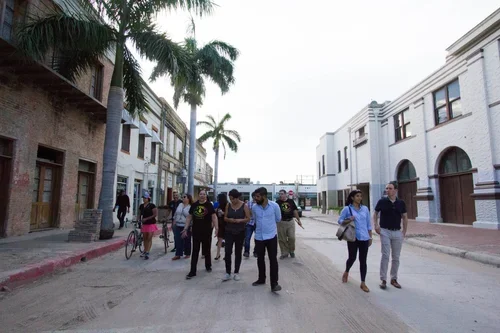
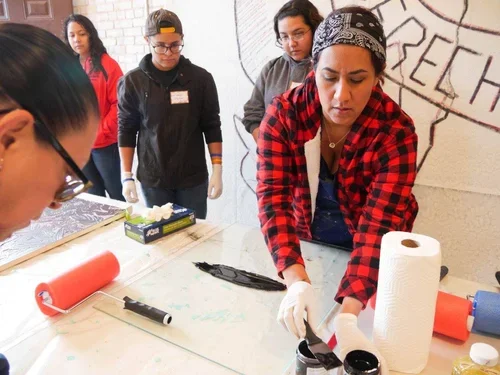
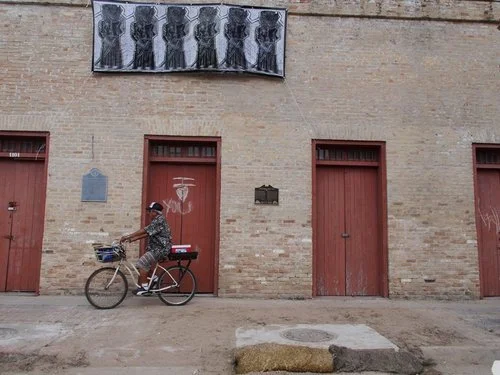
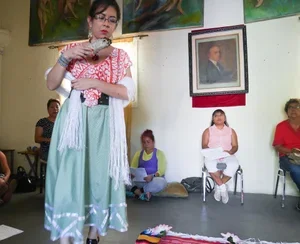
[bc], with HAC, is excited to announce the launch of the call for participants for Rural Placemaking, a new creative placemaking initiative that will take place in two rural communities (with populations less than 50,000) in the United States. Creative placemaking is a way of working between community developers, housing organizations, artists and local stakeholders to strengthen communities. This initiative will implement two creative actions during summer 2017 that bring people together to share food, stories, art, experiences, and histories as well as enable neighbors to talk, learn, and organize.
Two partnerships between a housing or community development organization and an artist/art organization will be selected to implement a temporary initiative from May to August 2017. [bc] and HAC encourage housing/community development organizations without an existing artist/arts organization partner to submit an application. If successful, [bc] and HAC will facilitate selection of a partner artist/organization.
Successful applicants will receive up to $7,500 to support the development of an arts and community building project in their town. They will also receive training and support from national leaders in creative placemaking and community development on the implementation of their project. Throughout the Rural Placemaking program, [bc] and HAC will provide one in person peer-to-peer training session with other participants to share experience and problem solve, technical training webinars to guide participants through [bc]'s creative placemaking process, Activating Vacancy, and an on-site visit to assist in program implementation. [bc] will provide guidance and feedback to participants on creative placemaking throughout the implementation of Rural Placemaking. HAC will provide organizational and technical assistance in sustaining long term impact throughout the implementation of Rural Placemaking.
Applicants should demonstrate a strong interest in social justice and desire to work collaboratively with community stakeholders to formulate proposals which unite residents from diverse economic and cultural backgrounds. Applicants are encouraged to share examples of past work that exhibit community engagement/participation and the organization’s interest in bringing creative placemaking to their community.
More information on Rural Placemaking can be found here. Interested parties should apply via an online application here. We recommend reviewing the application requirements on pages 4-6 on the call for participants to prepare your materials prior to submission. Applicants cannot save and return to their applications.
Applications are due by 11:59pm on March 10, 2017. Applicants are encouraged to submit outside of peak website traffic time, (8:00pm-11:59pm CST on March 10th, 2017). Finalists will be notified by March 30, 2017.
This initiative is supported in part by an award from the National Endowment for the Arts (NEA). To find out more about how National Endowment for the Arts grants impact individuals and communities, visit www.arts.gov.