
What is DreamBuild?Empowering communities through choice and design
DreamBuild (formerly known as MiCASiTA) is an innovation by [bc] and cdcb that’s transforming the home buying process in Texas and across the nation. The DreamBuild Model is a client-led housing design, production, and financing system designed to increase home buying opportunities within communities of color. With DreamBuild, families and individuals with modest incomes can choose and design their own homes.
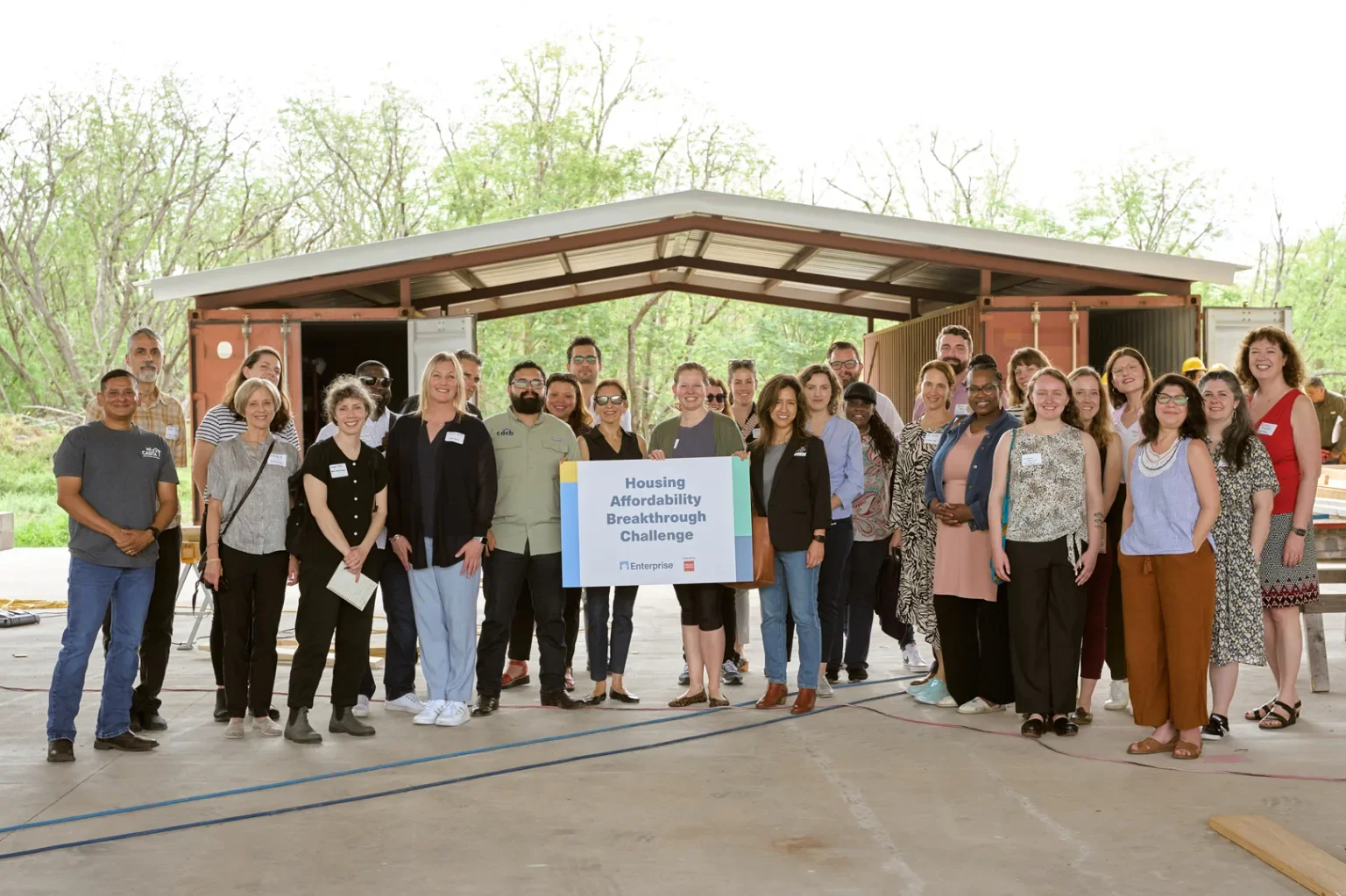
DreamBuild won the Housing Affordability Breakthrough Challenge funded by Enterprise and Wells Fargo in 2020, and then received start-up funding from Chase to scale across the country. The first DreamBuild house was sold in Dec 2022, with 20 homes delivered in the first full year of production.
“All the winners are reframing housing affordability. They are knocking down preconceived notions–and that could be the most powerful outcome of the Housing Affordability Breakthrough Challenge.” - Eileen Fitzgerald, former head of Housing Affordability Philanthropy Wells Fargo
Why DreamBuild?
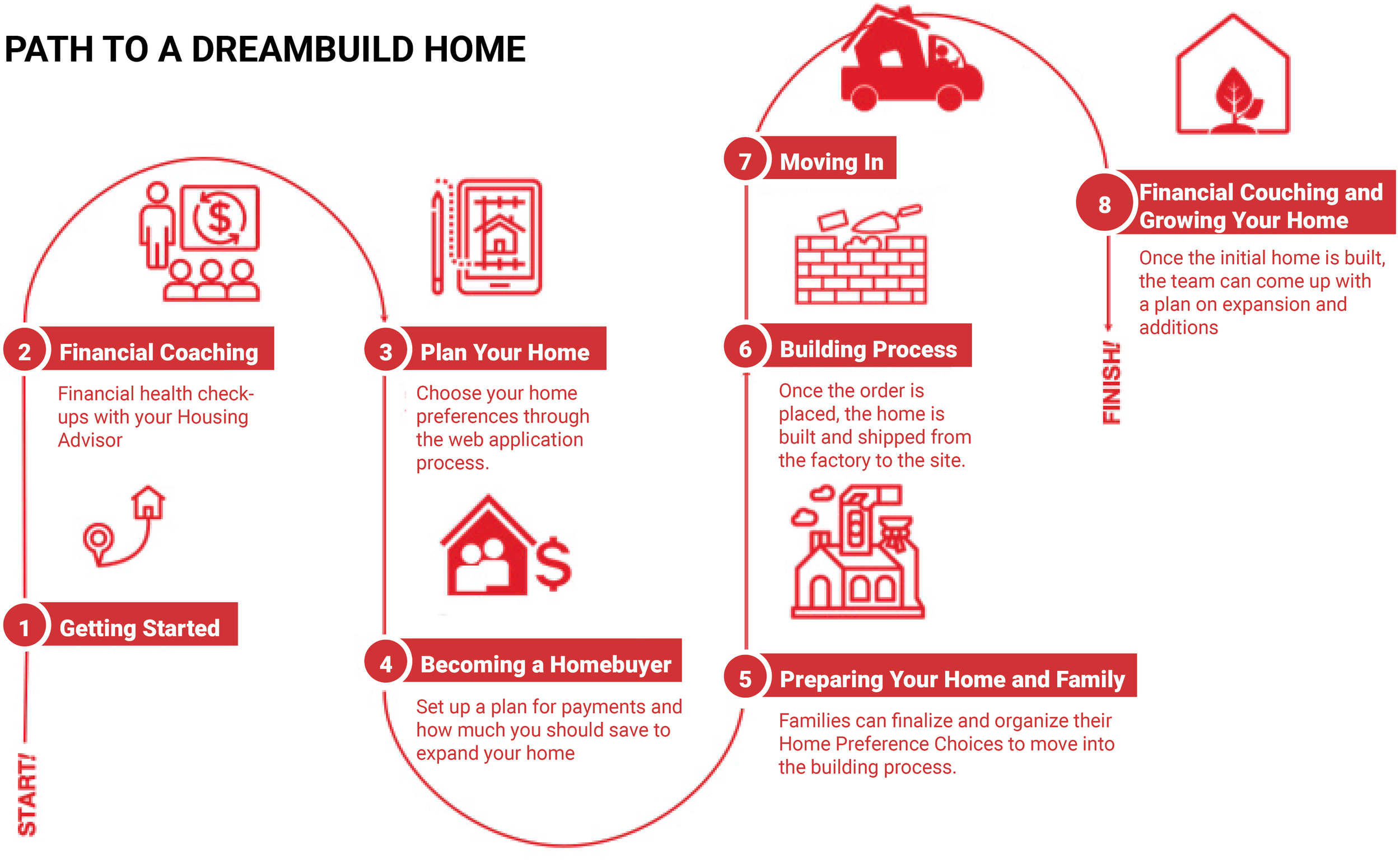
THE DREAMBUILD MODEL
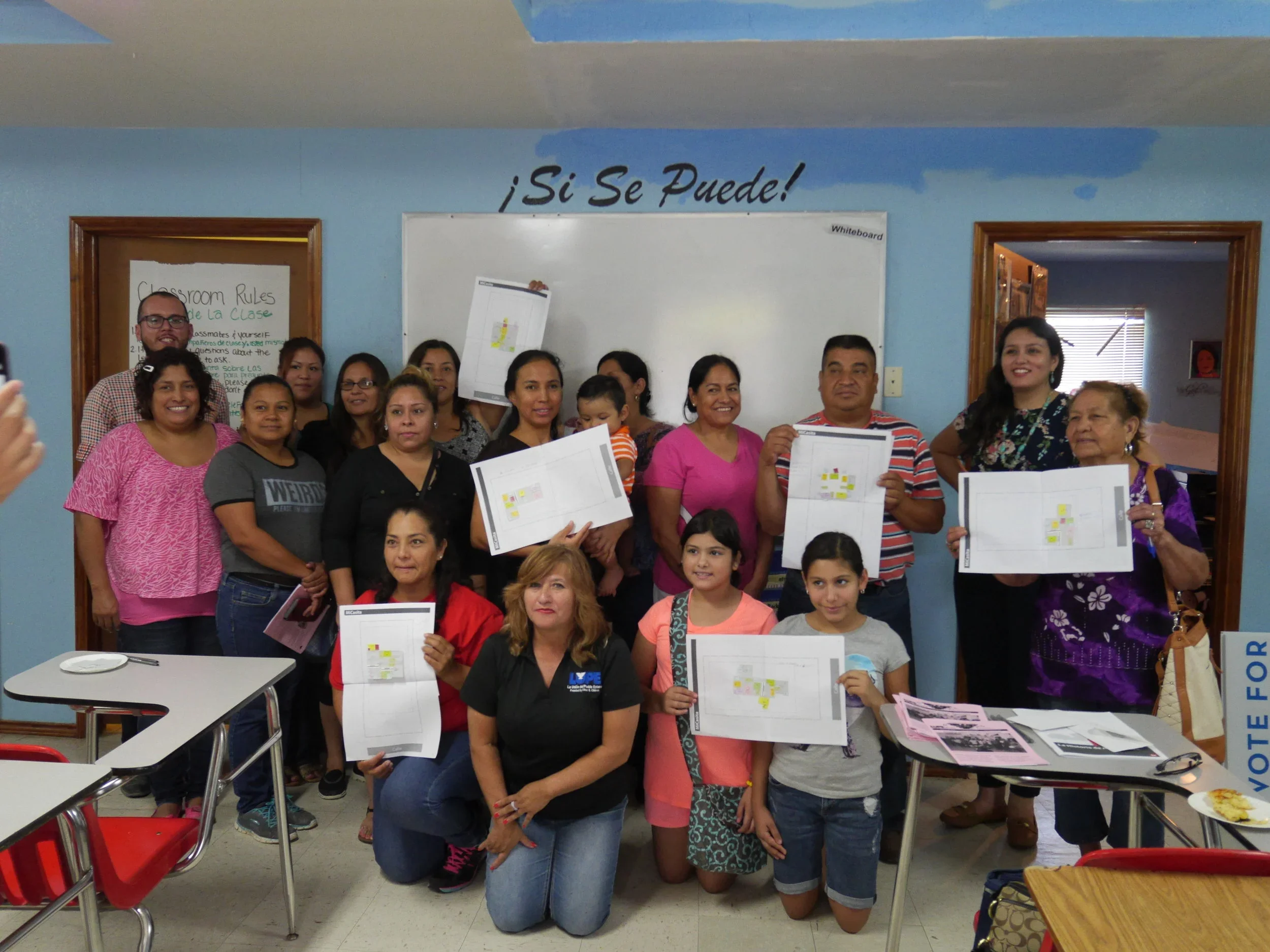
Affordable housing is too often synonymous with a one-size-fits-all approach that fails to offer any real choices for families most in need. The DreamBuild Model allows residents and community members to make decisions about each housing development – cultivating agency and control that yields power.
DreamBuild’s design is based on a grow-home model, which offers households the ability to select as much home as they need or can afford, and grow it over time along with their family and finances. The beginning of every DreamBuild home is the “CORE” - a 576 sq. ft. unit that includes a kitchen, bathroom, laundry or bedroom, and living room. Depending on the household’s needs, a client can choose to move forward with only the CORE, a CORE plus additional DreamBuild Box(es), or a CORE with plans to add additional DreamBuild Box(es) later.
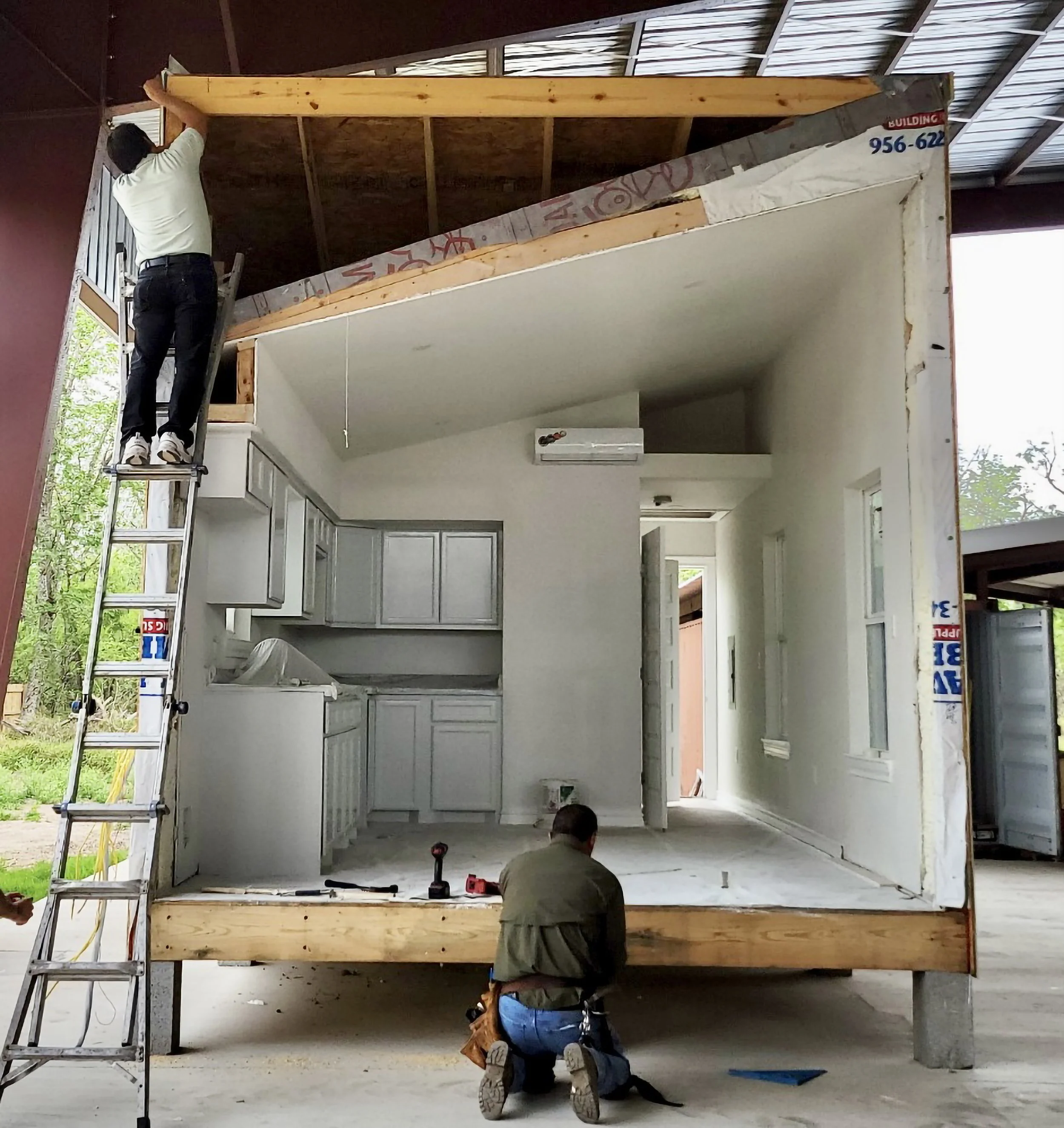
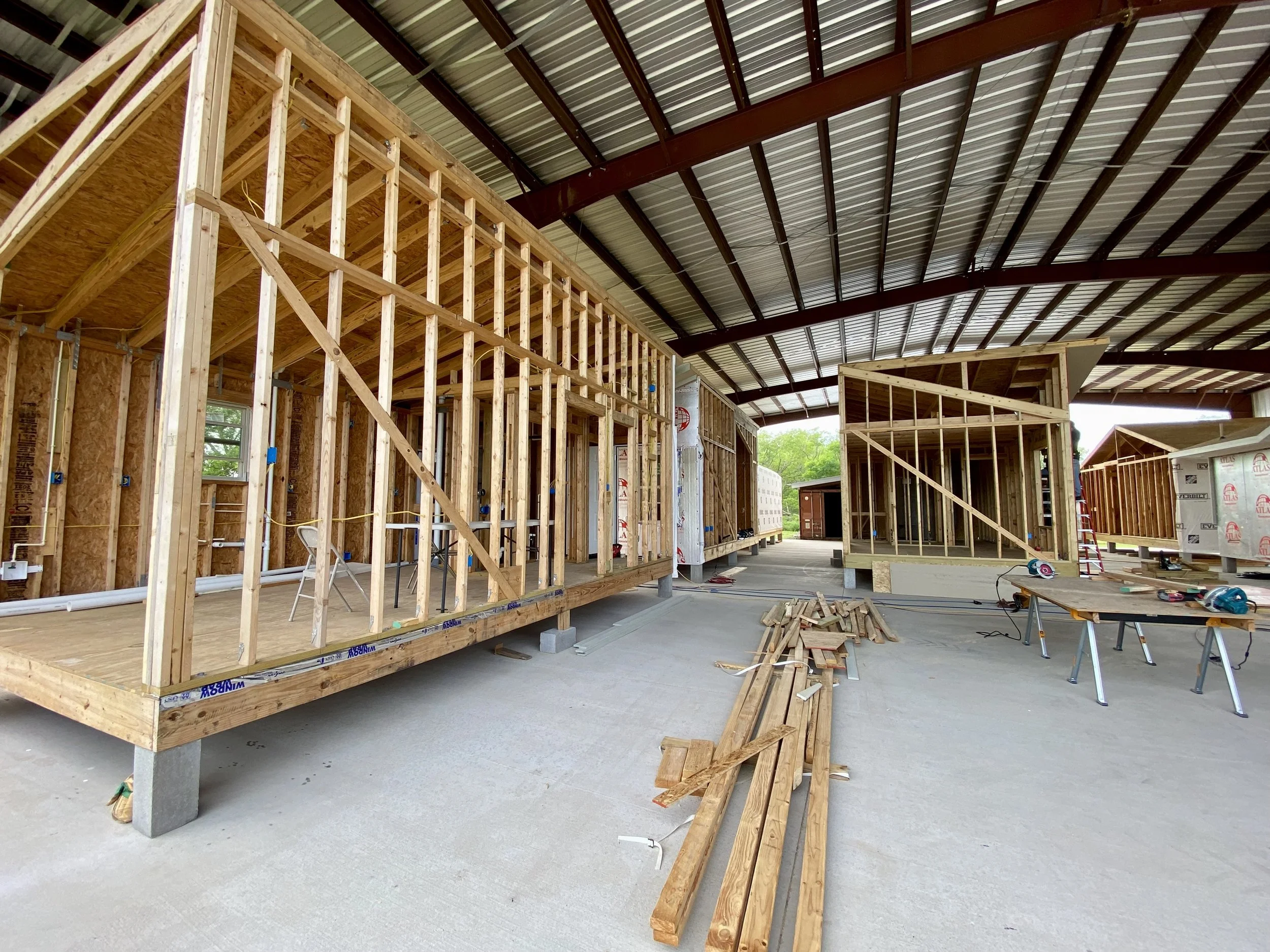
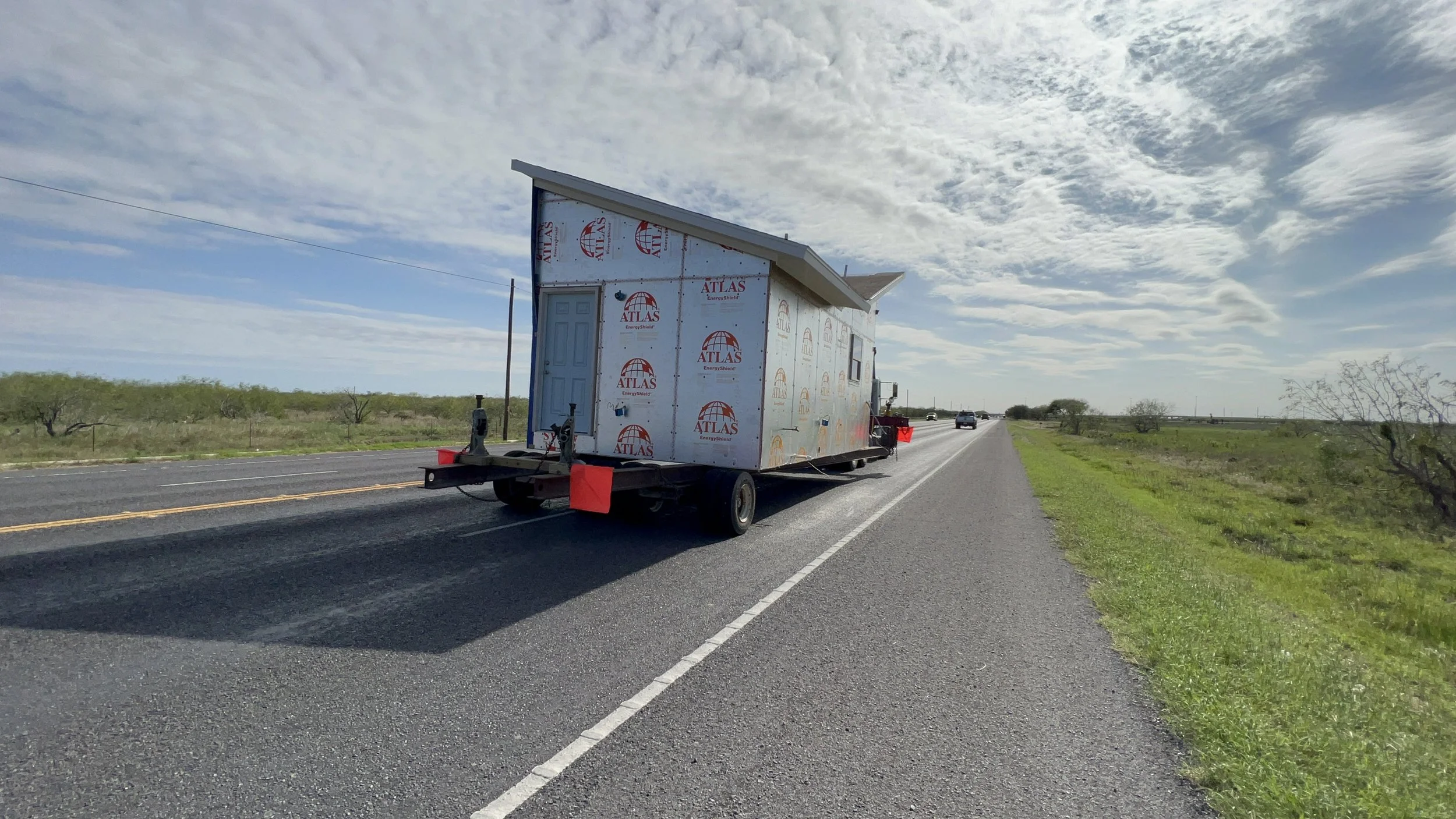
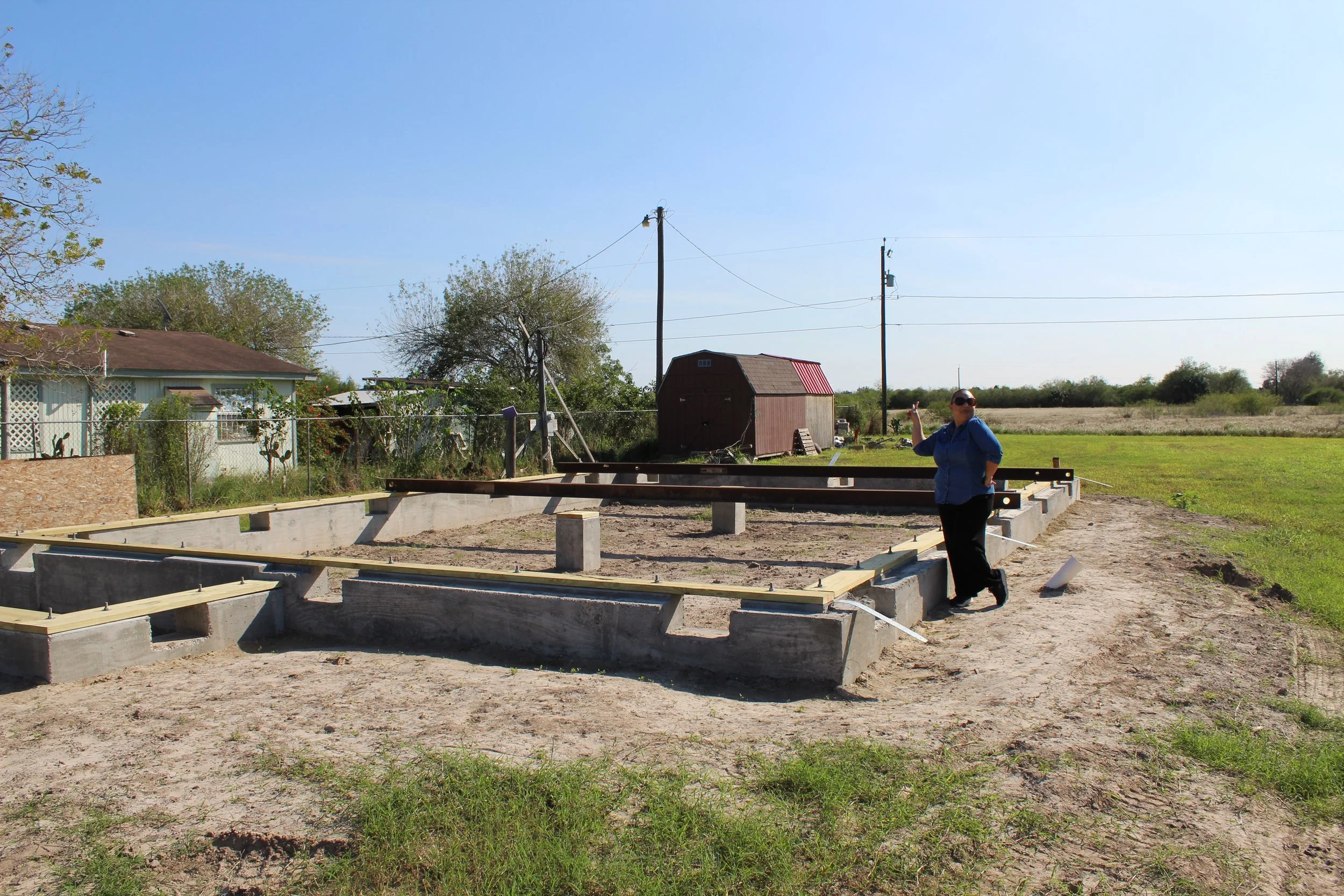
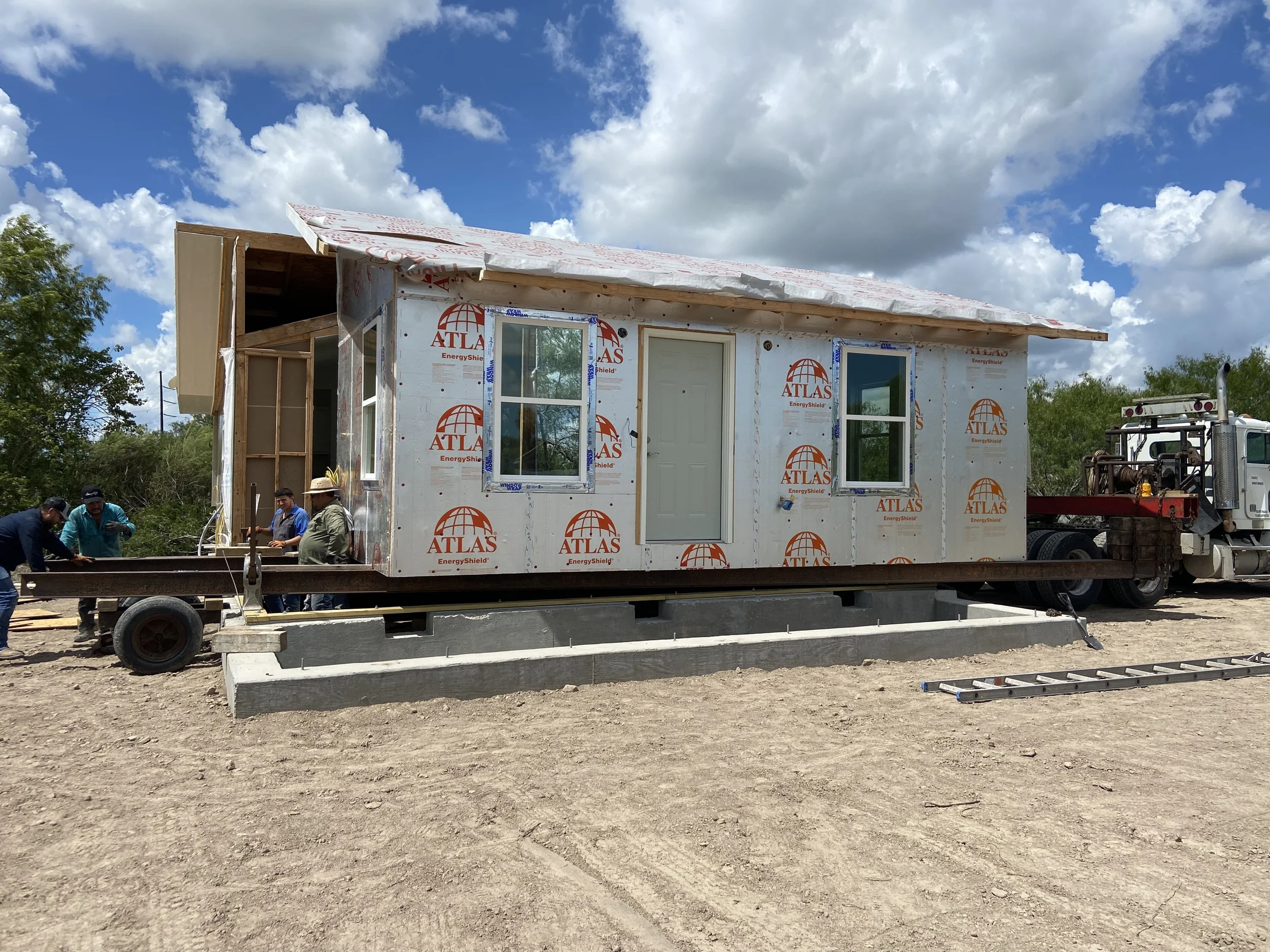
Moving away from on-site construction is key to delivering the DreamBuild design solution affordably. All DreamBuild Boxes are pre-permitted through a State Licensing process and manufactured in an off-site facility. Once a DreamBuild Box is completed, it is transported and installed on the client’s property. Adjusting to a manufacturing process can be challenging, but the benefits include increased productivity, less waste, improved work conditions for your crew, and greater control over the overall cost.
OUTCOMES
A quality, highly affordable housing product
More control over costs and production
Choice for clients
Meeting people where they are at
Agency for both clients and housing organizations
Holistic approach to housing
Local economic development: jobs, expanded capacity and skills for local nonprofits, strengthen housing resale market, etc.
Greater financial security for clients: home will build equity, access to traditional capital, building a home they can afford
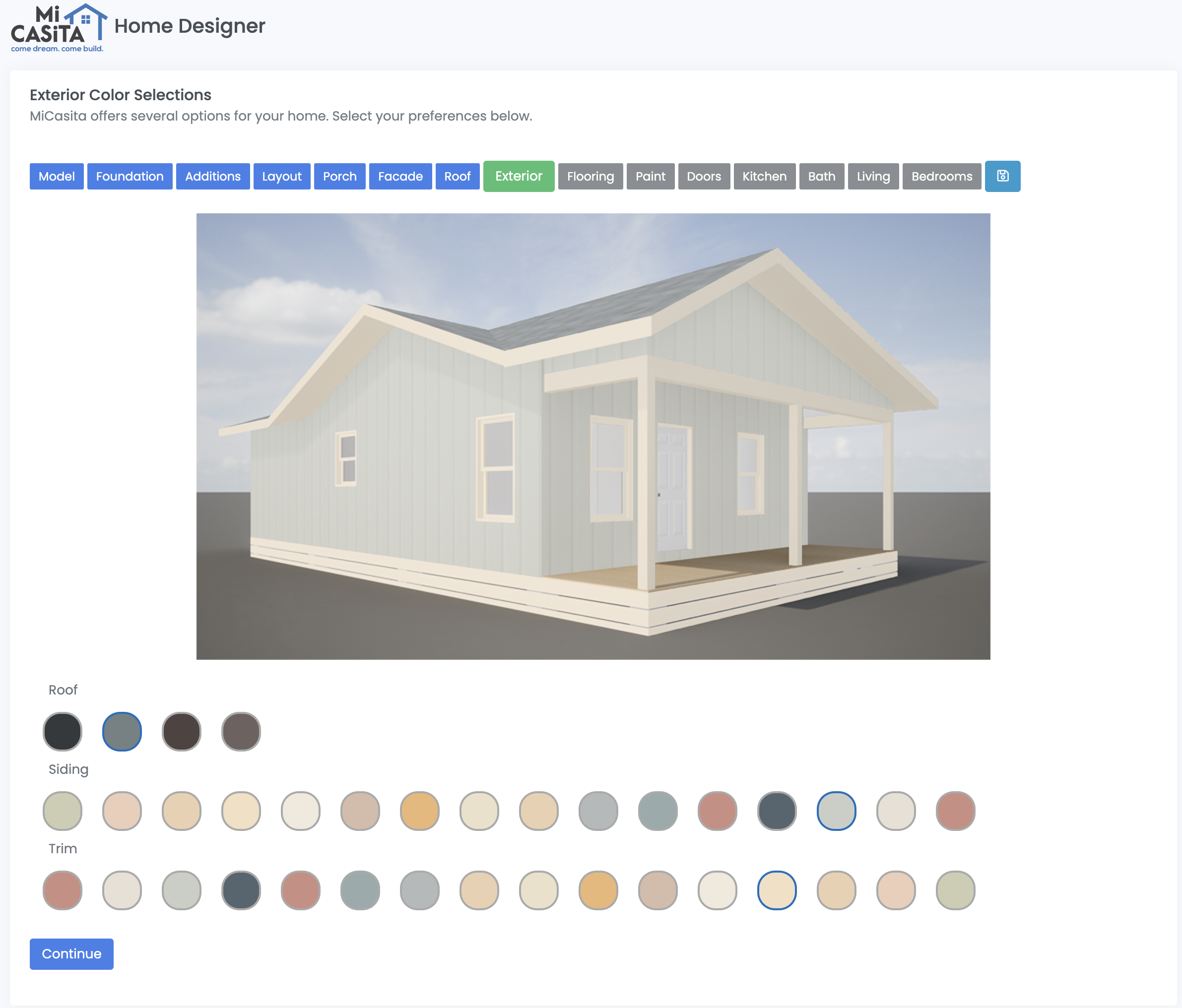
From the screen to the site: Designing your Dreambuild home
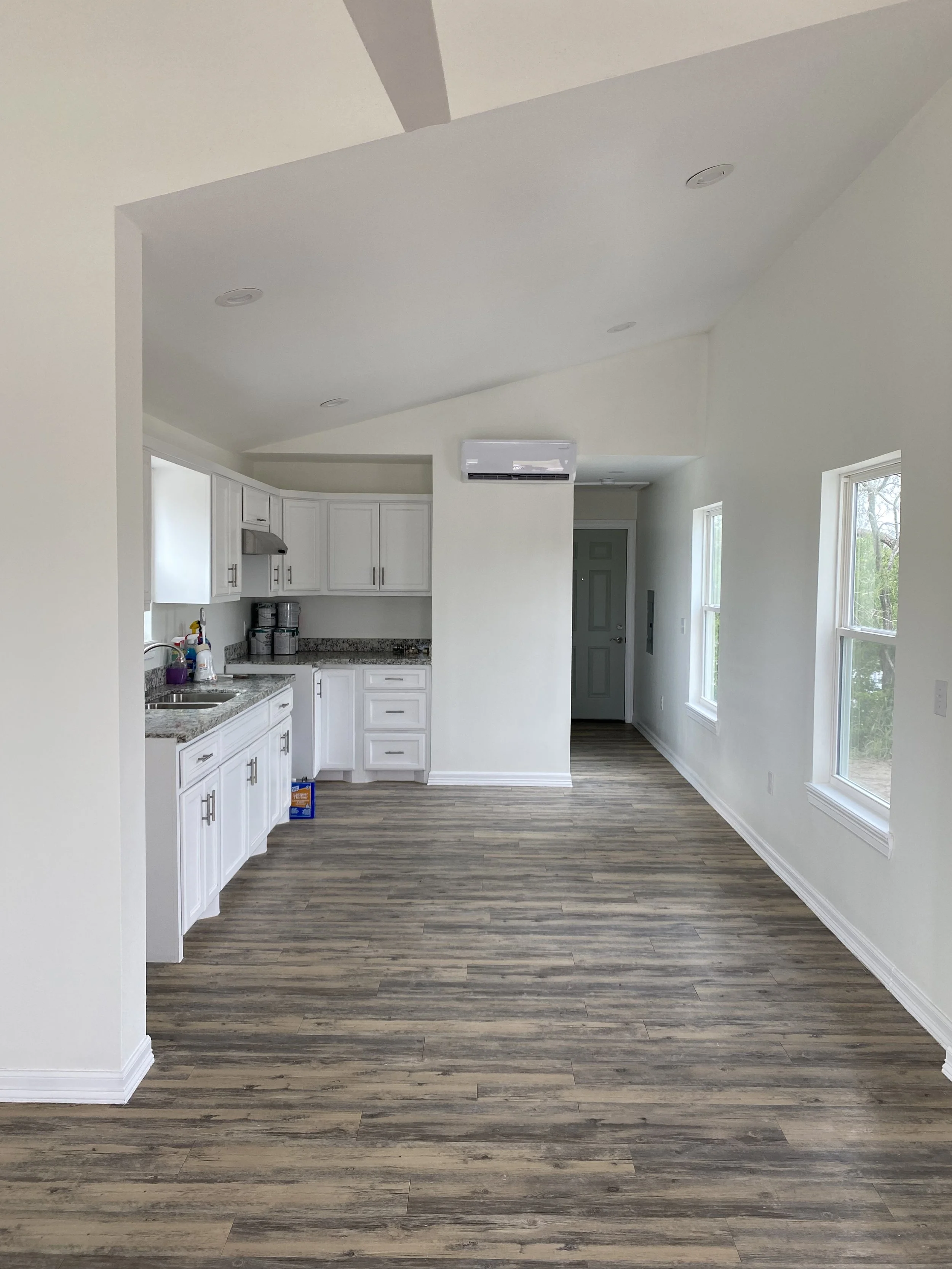
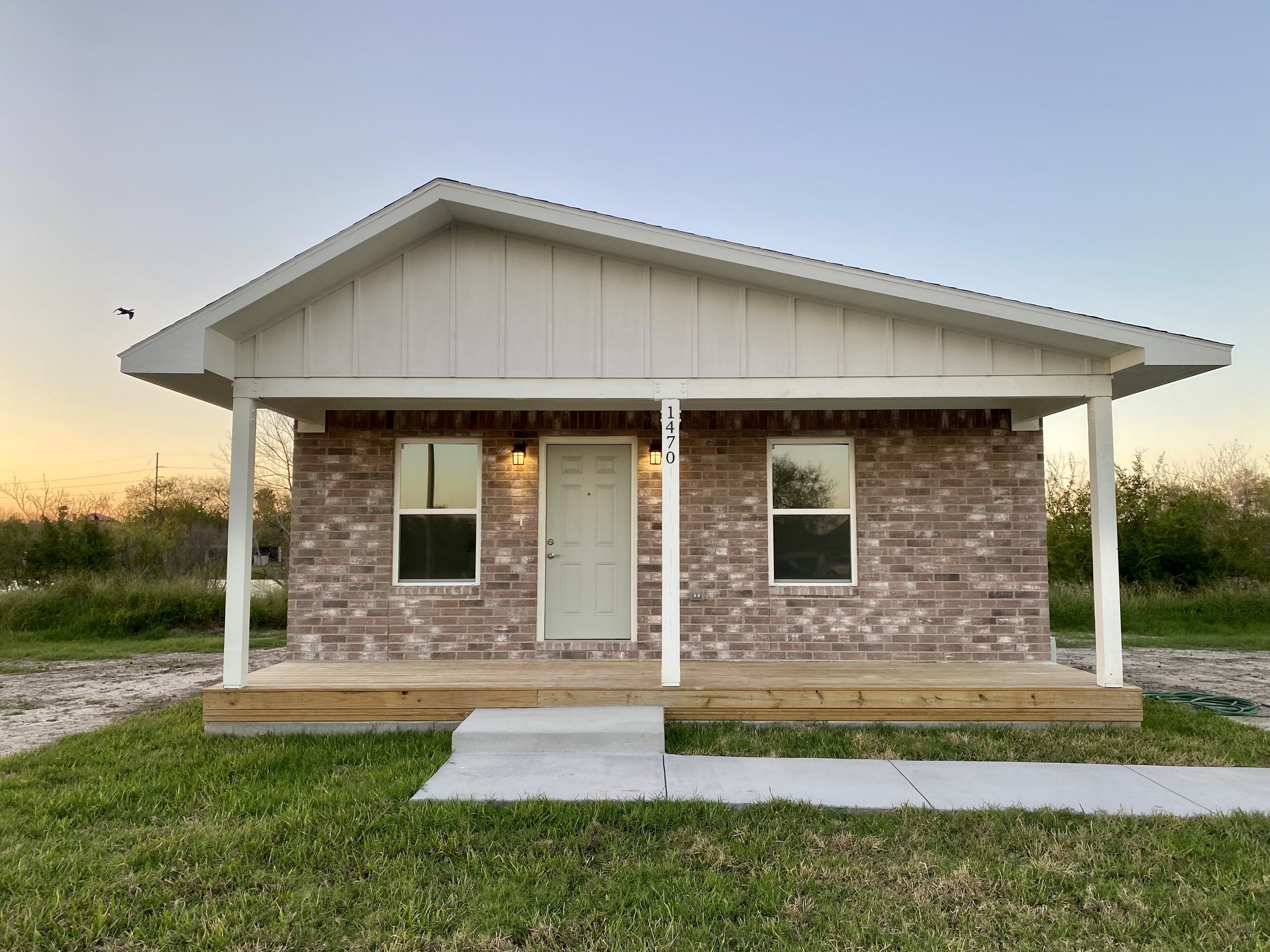
ApplicationsSingle Story Single Family
All geographies generally start with this model
Has the most flexible combos
Easiest to add boxes to in the future
Double Story Single Family
Developed for North Texas and South Texas initially
Several combos achieving more bedrooms with a smaller footprint
Duplex Multifamily
Developed in Kentucky for a New Market Tax Credit Project
Higher Density Developments
Several combos available
Office Space
Boxes were adapted to build an on site office at the Farm (the factory in South Texas)
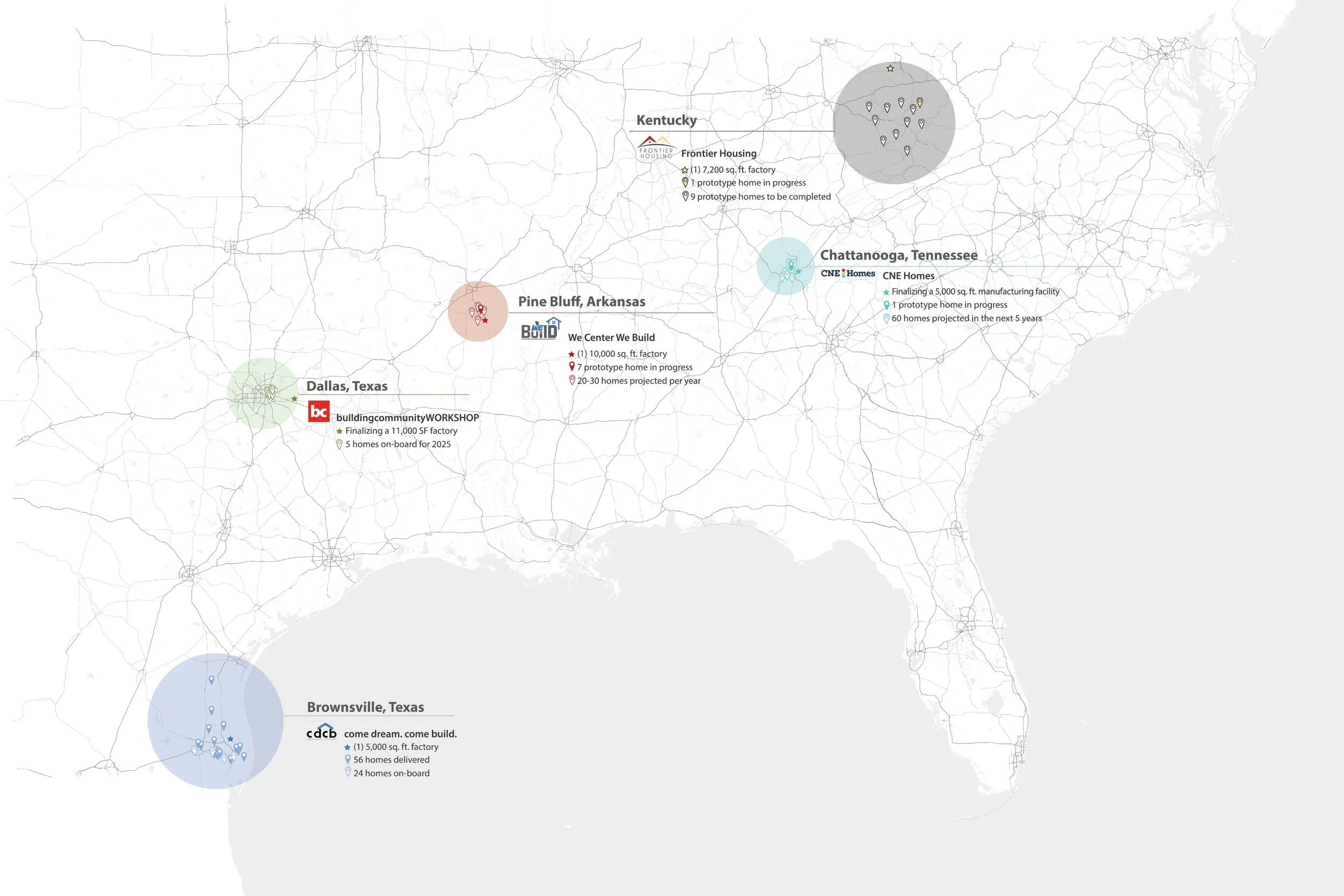
Locations + PartnersProject Contributors [bc] Contributors:
Benje Feehan
Donald Hickman
Alison Katz
Gerardo Gutierrez
Luis Murillo
Mikhail Sookoor
Pei-en Yang
Adan Chavez
Anthony Rash
Lisa Neergaard
Cofounder:
come dream. come build. | cdcb
National Partners:
Frontier Housing
We Center/We Build
CNE Homes
Professional Contributors:
ECI
Axiom
Funders (DreamBuild National):
Wells Fargo Foundation
JP Morgan Chase
Freddie Mac
Fannie Mae
History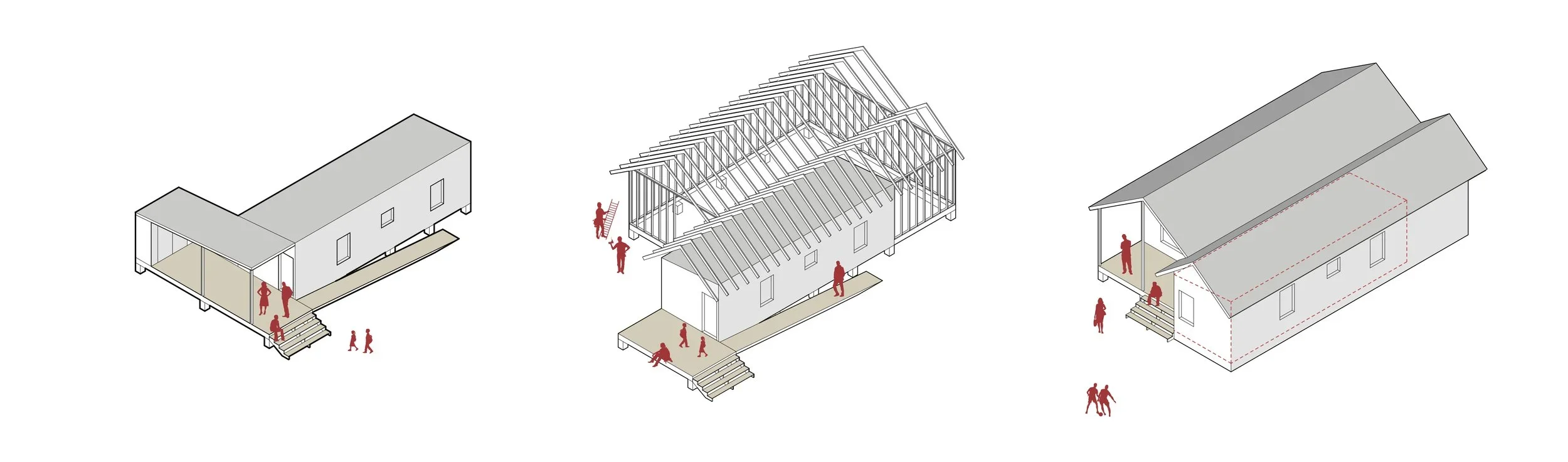
DreamBuild began as a disaster recovery housing solution. After Hurricane Dolly hit Texas’s Rio Grande Valley in 2008, [bc] and a host of partners, including come dream. come build. (cdcb), developed RAPIDO – a temporary-to-permanent disaster recovery housing solution. RAPIDO homes start as a small core that can be put in place immediately after a natural disaster and then grow as government assistance is available for the area.
Through RAPIDO, our team saw the potential of this housing model to apply to what we saw as the manmade disaster of a lack of affordable housing across the country. From there, MiCASiTA was born. A collaboration between [bc], cdcb, the Rio Grande Valley MultiBank (RGVMB), and The Texas State Affordable Housing Corporation (TSAHC), MiCASiTA sought to address challenges in affordable housing through innovative financing and design options, tailored to grow with the homeowner’s needs.
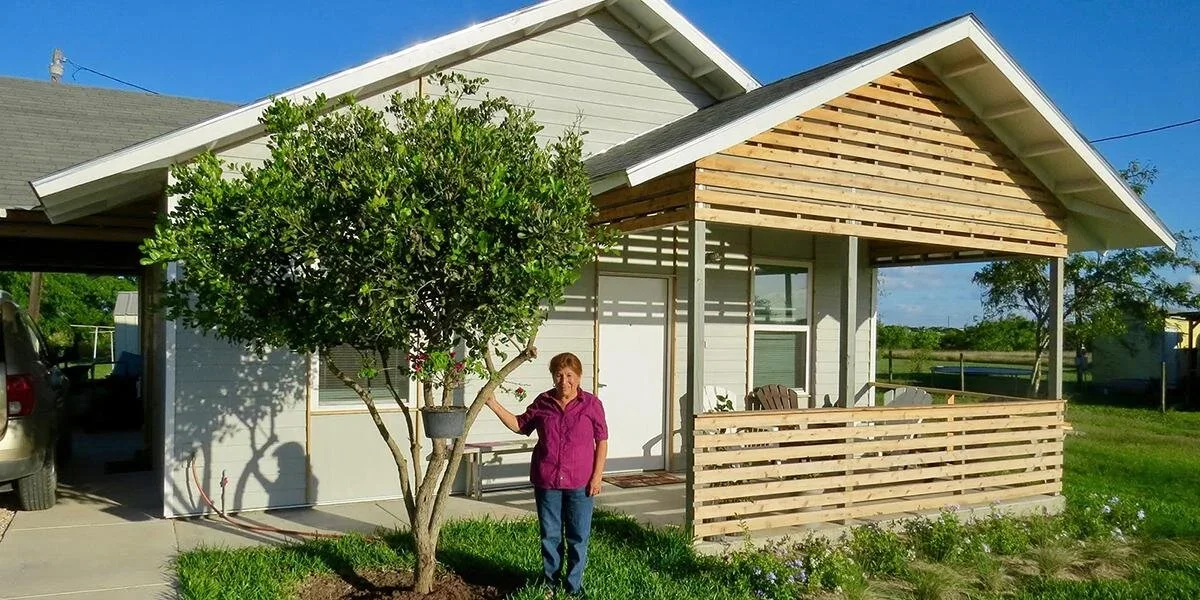
MiCASiTA won the Housing Affordability Breakthrough Challenge funded by Enterprise and Wells Fargo in 2020, and then received start-up funding from Chase to scale across the country – and along the way became DreamBuild. The first DreamBuild house was sold in Dec 2022, with 20 homes delivered in the first full year of production.
RAPIDO Housing Model - the precursor to DreamBuild
DreamBuild (MiCASiTA) Wins Housing Affordability Breakthrough Challenge
November 3, 2020
We are excited to announce that cdcb | come dream. come build. and [bc] are among the 6 winning teams for the Housing Affordability Breakthrough Challenge from Enterprise and Wells Fargo. With this award, our team will have $2.5 million to expand our innovative solution for rural homeownership, DreamBuild, from 2020 to 2022.
WHAT WE’LL DO
Over the course of its grant, cdcb and [bc] aim to build six prototype dwellings whose construction costs are less per square foot than the average unit in the market. They will complete the design and launch of their Choice Empower software system, allowing clients to choose and weigh the costs of design options. They will also expand the MiCASiTA model to one additional persistent poverty region in the United States.
Looking beyond the lifespan of the grant, cdcb believes that successful scale for MiCASiTA is not just increased unit production: It is a client-led design and production system that is easily adopted and implemented across the country. That system will include a franchise model with built-in systems, processes and technology to support market diversity and context, both culturally and economically.
Most importantly, MiCASiTA aspires to generate a documented increase in client empowerment that shows measurable improvement in families’ physical and financial health and the true transfer of intergenerational wealth in communities of color.
Meet the other amazing winners of the Housing Affordability Breakthrough Challenge!
DreamBuild (MiCASiTA) Update
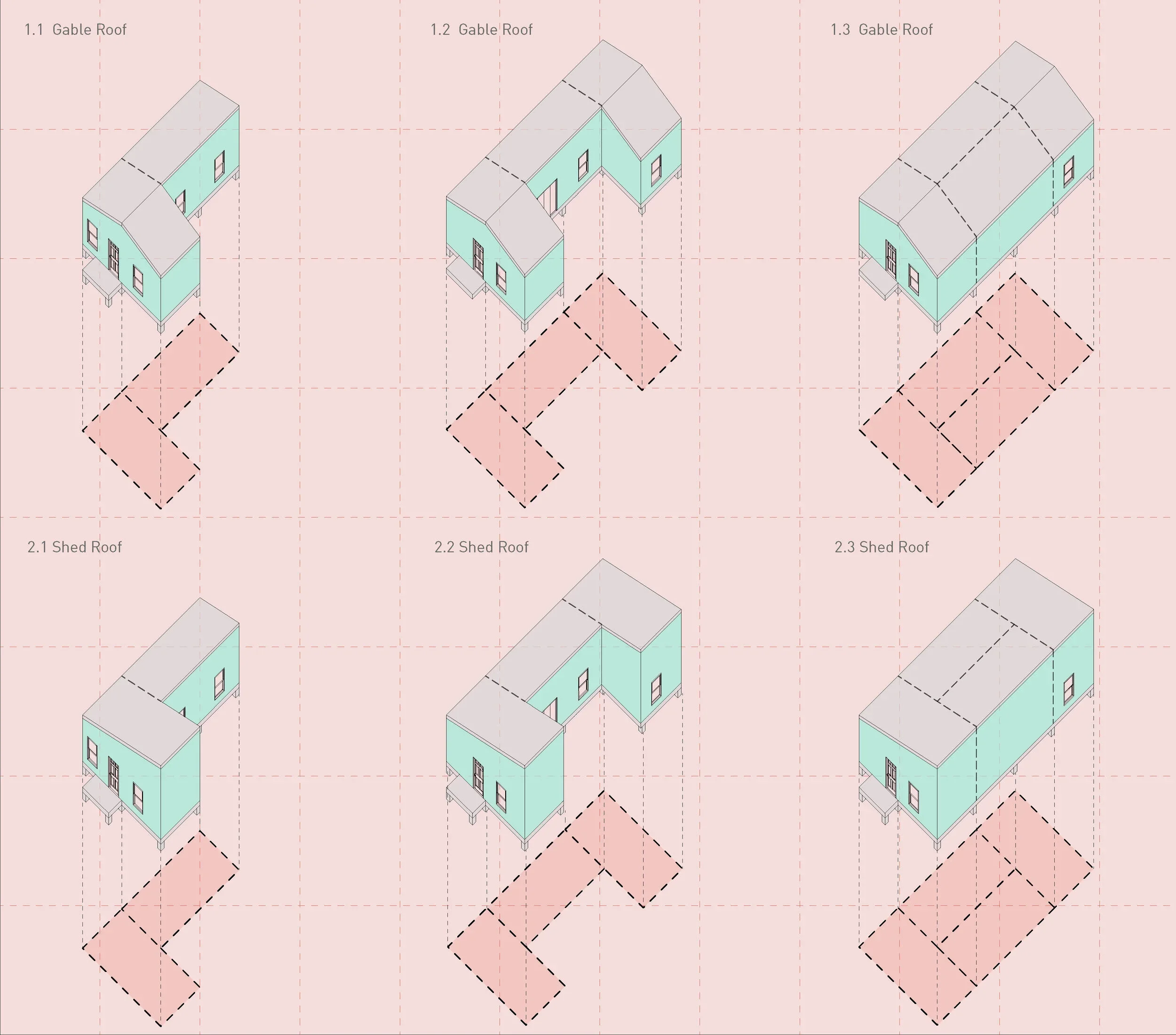
Core Massing Option Diagram
April 5, 2021
Along with Enterprise Green Communities and cdcb | come dream. come build., [bc] has been at work refining core module options for DreamBuild, our innovative grow-home model that allows families to purchase a home that is designed to grow as their family and finances do.
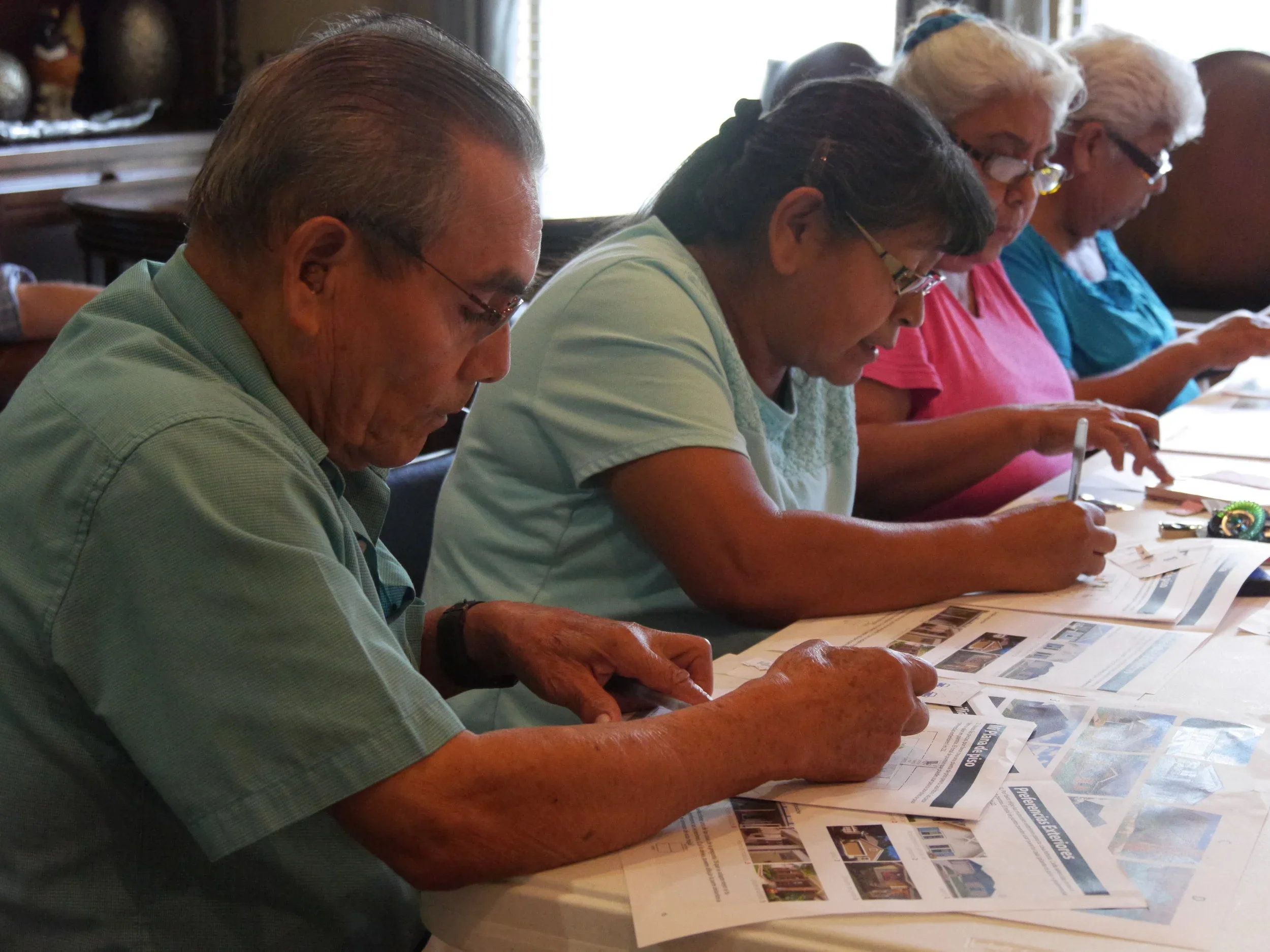
Over the last few months, our team has gotten together for several report and design charrette meetings to review required and optional categories for Enterprise Green Communities Certification. This certification allows us to act on an integrative design process and set specific goals. The criteria checklist is a useful guide as we design the DreamBuild grow-home model and seek to tap into economic, health, and environmental benefits.
Each DreamBuild module will come prefabricated and will feature a main array of amenities and necessities. For example, our “Smart Box” options include a KITCHEN + BATHROOM + LAUNDRY or BEDROOM + LIVING ROOM. These two core options will then create our main starting point to the DreamBuild grow home model. After the initial core is created and placed onsite for the family to move into, separate modules that can be added onto the home over time may feature an “Office Box” that has a BEDROOM + OFFICE + BATHROOM, a “Kids Box” featuring 2 BEDROOM + BATHROOM, or a “Flex Box” with GARDEN / GARAGE / STORAGE.
The graphic below represents the L core diagram, with the two “Smart Boxes” coming together to illustrate the process of the grow-home model. The top shows Gable Roof and the bottom shows a Shed Roof.
Our next steps as the design team are to come up with a thoughtful façade design and wrap up to begin the permitting process.